


by: Chloe Arabella CristobalCopyedited by: Jeyana Sophia CaparrosPublication by: Claire Mendoza Picture this. Major pressrooms overflow with a thrilling buzz in the air. Thousands of people gather around the Batasang Pambansa Complex awaiting his arrival. Multiple cameras stand still in their places anticipating the scenes that will unfold. Progress is checked, changes are monitored, and promises are revisited—all spearheaded and addressed none other than our President. The State of the Nation Address (SONA) strikes headlines annually without fail. In the Philippines, the last Monday of July is not just any regular day. It serves as the time of year where the nation’s leader addresses the country’s standing across various sectors. Furthermore, it acts as the stage for the promotion and declaration of promises and progress: the two mighty pillars every country stands on. But the assurance of one doesn’t guarantee the presence of the other. In the course of President Ferdinand “Bongbong” Marcos Jr. (PBBM)’s term up ‘til now, a myriad of vows have been bestowed upon various branches of the government that pledge for the betterment of each sector. Yet, the question remains—do these commitments prove strong enough to withstand the test of time? Economy During his inaugural SONA, PBBM projected an economic growth target of 6.5% to 8.0% for the period 2023 to 2028. However, over the past two years, the administration has fallen short of these expectations. The economy expanded by only 5.6% in 2023, repeating the same growth rate the following year—still trailing behind the revised goal of 6.0% to 6.5% set for 2024. Energy and Environment In his first SONA as president, PBBM emphasized the need for more efficient water supply systems. In April 2023, he ordered the creation of a Water Resources Management Office to ensure the immediate implementation of Integrated Water Resources Management, however, there is currently no further news about the topic. There are also no further updates on the building of nuclear power plants. Two out of the 18 promised proposals have been fulfilled: Republic Act No. 12019, known as the Loss and Damage Fund Board Act, was enacted on August 28, 2024. Additionally, Republic Act No. 12120—which initiates the development of the Philippine Downstream Natural Gas Industry under the Department of Energy—was signed into law on January 8. Agriculture In his 2024 SONA, PBBM pledged to prioritize the enhancement of domestic agricultural production. Of the eight agriculture-related commitments made the previous year, only one has been fully realized, while the remaining seven are still underway. Since his 2022 presidential campaign, Marcos has consistently expressed his ambition to lower rice prices to ₱20 per kilo. The offer of this price was short-lived, only lasting from July 2022 to November 2023. Currently, the prevailing market price of locally produced commercial rice in Metro Manila remains between ₱38 and ₱57 per kilo. In response to the increase in rice prices earlier this year, the Department of Agriculture declared a food security emergency to bring the prices down. Health Despite his promises of improved welfare of the medical industry in his inaugural SONA, the Philippines still faces financing and staffing issues in the medical industry. So much so that 2023, Health Secretary Ted Herbosa proposed that unlicensed nurses be allowed to work in government hospitals. Furthermore, A COVID-19-related commitment was stalled due to the government’s failure to allocate funding for vaccine procurement in 2024—a concern amplified by the emergence of the highly transmissible Nimbus subvariant in June earlier this year. Education ₱1.05 trillion was allocated to the education sector in the 2025 General Appropriations Act to align with broader, long-term reforms to the education system outlined by the president in his 2024 SONA. This includes the revised K-10 framework of the MATATAG curriculum and ARAL (RA 12028) that established a free national learning intervention program from Kindergarten to Grade 10. Infrastructure & Transportation Out of PBBM’S 16 infrastructure promises made during his first three SONAs, only three have been completed, ten are still underway, and three have stalled. Notable completed projects during 2024 include the Panguil Bay Bridge—the longest sea-crossing bridge in Mindanao—the Expanded Plaridel Bypass Road, and Phase 1 of the LRT-1 Cavite Extension. Foreign Relations Over the course of his past three SONAs, PBBM has repeatedly affirmed his commitment to an independent foreign policy and the protection of the Philippines’ sovereign rights in the West Philippine Sea (WPS), while still fostering diplomatic ties with other nations. In line with the reinforcement of the country’s position in the WPS, the government added sites to its Enhanced Defense Cooperation Agreement (EDCA) with the United States. Alongside this, the government also declared two pivotal laws in November 2024: the Philippine Maritime Zones Act and the Philippine Archipelagic Sea Lanes Act. Lastly, the government also published a comic book that “debunks China’s false narratives and disinformation” about the WPS in order to spread public awareness. Governance One of the core promises PBBM made was the quick and conditioned delivery of National IDs. However, in January 2025, biometrics revealed that the Philippines still had a backlog of 36 million which would need additional funds to solve. In the fight against corruption, only two out of the 10 promises were fulfilled: a total ban on Philippine Offshore Gaming Operators (POGOs), alongside the 2023 enactment of the Internet Transaction Act (RA No. 11967), which strengthens regulations in the country’s e-commerce landscape. However, it was stated by PAGCOR senior vice president Raul Villanueva in a senate hearing that smaller illegal offshore gaming groups still exist despite the ban. References: Final SONA modest, memorable: Andanar | Philippine News Agency SO ano NA ba ang nagawa? Quick Facts You Must Know Before SONA 2025 SUMMARY: Ferdinand Marcos Jr.’s Sona 2022 SONA 2024 PROMISE TRACKER – VERA Files LOOKBACK: SONA 2022 promises, plans of Marcos Jr. and what happened after | ABS-CBN News Philippines faces 36 million backlog in ID cards | Biometric Update

A House Built on Mud
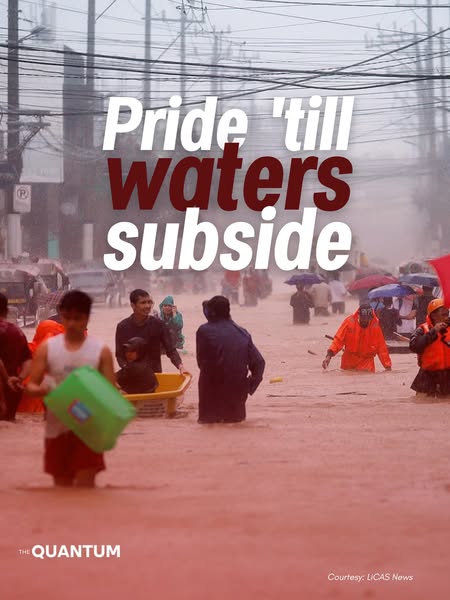
by: Rhianne Jessica LaoCopyedited by: Orange Zyrille AlcarazPublication by: Yelena Fabricante A house built on mud will always look fine until the rain arrives. In the Philippines, July marks the peak of the Habagat season, the endless rain and harsh winds knocking on the doorstep, like expected guests, turning the streets into rivers of promises unkept once they enter. In the previous week alone, the Habagat was intensified by three consecutive weather disturbances, causing widespread flooding across the country, including Metro Manila. The relentless weather submerged communities, disrupted livelihoods, and reportedly took 30 lives, exposing yet again the nation’s deep vulnerability to disasters. Metro Manila, the bustling capital of the Philippines that serves as the center of culture, trade, and education, is one of the most naturally flood-prone areas due to its geographical location. Given its significance, one would expect a robust and effective flood mitigation system to be reinforced, yet it remains one of the most visibly and severely affected areas whenever a calamity strikes. According to the Department of Budget and Management (DBM), over ₱349.4 billion, nearly a third of the national infrastructure budget, has been allocated to flood control, as noted by economist Jan Carlo “JC” Punongbayan. Still, drainage systems overflow with every rainfall, urban planning prioritizes commercial interests instead of climate realities, and waste management barely keeps pace with the daily surge of plastic and neglect. Billions have been poured into “solutions,” yet not a single drop seems to have reached the ground. The Department of Public Works and Highways (DPWH) Secretary, Manuel Bonoan, even admits that Metro Manila’s drainage system could no longer allow flood waters to flow to pumping stations due to the build-up of silt. What exists is not a long-term resolution, but a patchwork to ignore the inevitable consequences. As long as no action is put into the words on paper or pledges, we will continue to drown not just in water, but in failure. “Ang hagupit ng La Niña at mga matinding pag-ulan naman ang ating binabantayan at pinaghahandaan. Mahigit 5,500 flood control project ang natapos na at marami pang iba ang kasalukuyang ginagawa sa buong bansa,” these were the words uttered by President Bongbong Marcos Jr. in his last State of the Nation Address (SONA) last July 24, 2024. Entering this season, however, shows us that these claims were just a front, as they remain largely ineffective. Every submerged barangay is a reflection of these delayed infrastructure projects, bloated budgets, and a political culture addicted to short-term spectacle. While climate change and the onslaught of these natural disasters may be beyond our control, preparedness is not. We have known for decades that the storms will come. What we haven’t done is learn from them. Instead of proactive planning, we rely on reactive gestures. And as always, it is the poor who suffer first and recover last. In the cycle of disaster and neglect, it’s not just the streets that flood—it’s hope, dignity, and trust in a system that continues to fail the very people it claims to serve. As President Bongbong Marcos Jr. prepares to deliver his third State of the Nation Address this July 28, the floodwaters have already spoken. Will he address the downpour not just of rain, but of public frustration? Or will he once again turn to polished lines that signal intent but fall short of action? Now more than ever, the nation awaits concrete timelines, transparent funding, empowered local governments, and resilient, future-proof systems. The storms may pass, but the wounds they expose linger long after the waters recede. If this year’s SONA fails to speak to the people still knee-deep in neglect, then it will be no different from the house we’ve always known: fragile, unstable, and destined to fall. No matter how many times we try to rebuild it with mud, it’ll collapse just the same. How many more storms must we endure before we speak up and demand a government that does more than just wait for the sun? Real change won’t come from empty promises or patchwork solutions, but begins with building a foundation strong enough to outlast the storm and leaders brave enough to lay it down.
“Bagyo ka lang, Pilipino kami.”
Written by: Elyzza Esteban, Nikita Xyzelle Pariña, and Danella De VeraPublication by: Elyzza Esteban This powerful statement captures the spirit of Filipino resilience in the face of crisis. As Filipinos, we are known for our unwavering optimism—even in the midst of storms, both literal and metaphorical. But as we continue to rise after every fall, we must also ask: When does resilience become silence? At what point should we look beyond blind optimism and begin confronting the deeper, systemic roots of the challenges we face? True strength lies not only in enduring hardships but also in questioning why they persist—and in working together to create lasting change. References: “Government Released Nearly ₱23 Billion for Managing Disaster Risks.” BusinessMirror, 15 Jan. 2025, https://businessmirror.com.ph/…/government-released…/.”DPWH to Implement over 5K Flood Control Projects.” Philippine Communications Office, https://pco.gov.ph/…/dpwh-to-implement-over-5k-flood…/. Accessed 24 July 2025.”10 Ways to Prevent Flooding.” Orange County Water Atlas, https://orange.wateratlas.usf.edu/…/10WaysToPreventFloo…. Accessed 24 July 2025.

Pusta sa Kinabukasan
| Dahlia Aganan| Leurlee Sicat Isang click lamang. Ganoon kabilis magbabago ang takbo ng buhay mo. Sa likod ng malalaki at makukulay na ads na naglalayong manghikayat, nagtatago ang sistemang unti-unting sisira sa kinabukasan at lipunan. Sa mundo ng online gambling, hindi laging may panalo. Handa ka pa rin bang ipusta ang buhay, dangal, at kinabukasan mo? Sa mabilis na pag-usbong ng teknolohiya, isang click lang ang pumapagitan sa isang netizen at sa mundo ng pagsusugal. Dahil sa madaling access sa iba’t ibang mga online gambling sites, hindi ligtas ang sinoman, mapa-estudyante man o may mga trabaho o wala, sa mapanghatak na bitag nito. Libangang nagbabalat-kayo bilang isang simpleng laro sa una, ngunit kinalaunan ay nagsisilbing banta sa moralidad at seguridad sa lipunan. Nagsimula sa maliit na pusta, hanggang sa lumaki nang lumaki, na maaaring humantong sa pangingikil at pang-uumit ng pera mula sa mga magulang. Muling lumulutang ang isyu ng online gambling dahil sa nakababahalang paglobo ng kaso ng mga menor-de-edad at mag-aaral na nalululong dito. Sa kabila ng mga regulasyong naglilimita sa pag-access nila rito, hindi pa rin lubos na ipinagbabawal ang paggamit nito. Sa murang edad pa lamang ay nahuhumaling at nasasanay na sila sa takbo ng pagsusugal, kung saan isa sa mga nakaiimpluwensya rito ay ang lantarang paglaganap ng mga ads sa iba’t ibang mga anyo tulad ng billboards at social media ads na nanghihikayat kahit walang age verification. Nagbigay daan ang isyung ito upang mabigyang pansin ang kakulangan sa komprehensibong panukala sa paghihigpit sa mga sugal na lantad sa social media. Ilan sa mga mambabatas na nanguna rito ay si Senator Loren Legarda; kamakailan lamang ay naghain siya ng panukalang ganap na magbabawal sa pagsusugal sa iba’t ibang porma nito. Ayon sa kanya, ilan sa maaaring maging dulot ng pagsusugal ay ang panganib sa kanilang pamilya sa aspetong pinansyal at sikolohikal. Maliban sa mga nabanggit na epekto, umaayon din dito ang pahayag ni Department of Health (DOH) Secretary Teodoro Herbosa sa kaniyang panayam sa Philippine Multisectoral Nutrition Project (PMNP) National Mayors’ Forum 2025 noong Miyerkules na nakakaapekto rin ang adiksyon sa pagsusugal sa kapasidad ng isang tao na mag-isip, gumawa, at lubusang nakapipinsala pa sa iba. Bagamat hindi maitatangging may malaking bahagi ito sa paglago ng ekonomiya, sa anyo ng mga trabaho at pamumuhunan, hindi ito dahilan upang magpikit-mata sa mga pinsalang dulot nito. Balewala ang mga kontribusyon nito kung nagsisilbi itong daan sa kapahamakan ng mga Pilipino. Mas mahalaga pa ring isaalang-alang ang kapakanan ng bawat sektor na apektado nito, at isipin ang mga negatibong aspeto na kaakibat ng pagkagumon sa gawaing ito. Marapat lamang na tutukan ang paggawa ng resolusyon sa isyu ng online gambling lalo na at hindi dapat ipagsawalambahala ang sistema na nagtutulak sa mga kabataan sa panganib. Sa pangunguna ng Department of Justice (DOJ) katuwang ang National Telecommunications Commission (NTC), maiwawaksi ang iba’t ibang porma ng patalastas at matitiyak ang epektibong panukala ng mas mahusay kaysa sa simpleng pagsaway lamang. Ang istriktong pagpapatupad ng mga batas at mas pinalawak na adbokasiya para sa edukasyon ukol sa panganib ng pagsusugal. Hindi na dapat isugal ang kinabukasan ng buong sambayanan bago kumilos. Bagkus, magsilbing pamulat ang krisis na ito sa mga mga lasong matagal nang sumisira sa sistema ng lipunan. | https://mb.com.ph/…/many-have-lost-control-legarda-bill… | https://www.gmanetwork.com/…/online-gambling-a…/story/

Most Outstanding Robotics Coach of the Year 2024
via Emmanuel Salazar | The Quantum Another Global Win for PaSci! Ms. Aizah C. Agub of Pasay City National Science High School was awarded Most Outstanding Robotics Coach of the Year 2024 by the International Robotics and Automation Summit. The awarding ceremony will be held at the Birla Institute of Technology & Science, Pilani – Dubai Campus, January 14 to 17, 2026.

The Fire that Follows
by: Nikita Xyzelle B. PariñaCopyedited by: Jeyana Sophia CaparrosPublication by: Ysabel Tagon Tennis isn’t a pastime—it’s a lineage. And Alex is the newest fire. Raised by veterans whose victories shaped her earliest memories, Alex Eala, became the first Filipino to achieve the main draw of the Grand Slam events in the Open Era, ranking 56th in the world; the highest rank reached by a Pinoy tennis player. At the age of 4, a tiny lefty with a paddle played tennis only with a curiosity in mind. This became an interest for her seeing her family as medalists in different sports. She then honed her skills under world-class mentorship at the Rafa Nadal Academy in Spain from age of 12. Now at 20 years old, with every serve and spin, Alex isn’t simply keeping the tradition alive, she’s building on it. It’s her way of honoring the past, while writing a new chapter with her name on the scoreboard. Her name started to echo in the field of tennis as a trailblazing player during the pandemic. Alex won the Australian Open girls’ double title at 14 and captured the French Open girls’ doubles title a year after. She won a junior Grand Slam singles title at the US Open in 2022. Eala’s fame grew steadily through these achievements, but it was her giant-slaying run in Miami that truly made her a household name in international tennis. In March 2025, Alex Eala electrified the tennis world with a breakthrough performance at the Miami Open. In a string of fearless victories, she toppled three Grand Slam champions, including World No. 2 Iga Świątek and No. 5 Madison Keys, to secure her place in the semifinals. It was a defining moment not only in her career but in Philippine sports history. As the first Filipino to reach the semifinal stage of a WTA 1000 event, her feat sparked pride across the archipelago and marked her transition from rising star to national icon. Like every other young athlete, Alex struggles balancing her training and tournament schedule with education. She constantly clinches the bar to stay in stride with the world’s elite while nurturing her intellect beyond the court. Playing with pride, Eala wears a custom ‘Sampaguita’ inspired hair tie especially made for her by Nike as a homage to the national flower of the Philippines. “Ang sampaguita ay paalala ng aking pinanggalingan at ng kulturang lagi kong dala-dala,” Eala shared on Instagram. Eala’s ‘Sampaguita’ hair tie becomes a quiet declaration of heritage, hope, and resilience. Match by match, she weaves Filipino pride into her presence, showing that ambition and culture blossom together, even in the tiniest, most thoughtful accessories. The 20-year-old has been an inspiration for young players to continue striving as she dictates that there are lots of ‘diamonds in the rough’ in the sport she wishes to gain attention for Filipinos. “I think that tennis in the Philippines has so much potential because even though it’s not as widespread as other sports, I feel like we have a lot of hidden talent. If we can have the support to back it up and the exposure to back it up, then I think Philippine tennis can be a big thing,” said Eala. Eala’s Miami triumph adds another highlight to her career, the one she hopes will spark greater love for tennis across the Philippines. “The only thing I can do to give back to my country is to help inspire change, positive change, and to inspire people to pick up a racket, to watch more tennis, watch more women’s tennis,” Eala added. Alex Eala’s journey is a living testament to the grit and brilliance of the Filipino spirit. Her rise from backyard rallies to global courts reflects not just athletic excellence, but the courage to dream beyond boundaries. Every swing of her racket inspires young Filipinos to believe in their potential, showing that with determination, heritage, and heart, they too can carve their place on the world stage. Her story isn’t just about trophies, it’s about lighting the way for a generation that sees itself in her fire.

Most Outstanding Robotics Coach of the Year 2024
: Zacharie Macalalad: Ashley Ballesteros Itinanghal si Bb. Aizah C. Agub-Ariz, Teacher III ng Pasay City National Science High School, bilang Most Outstanding Robotics Coach of the Year 2024 ng Erovoutika, kumpanyang nakatuon sa robotics. Gaganapin ang seremonya ng parangal sa ika-14 at ika-17 ng Enero 2026, sa Birla Institute of Technology & Science, Pilani – Dubai Campus. Matatandaang siya ang naging tagapagsanay ng mga mag-aaral ng PaSci na lumahok sa Robolution 2024, kung saan nakamit nila ang iba’t ibang karangalan. Pagbati, Bb. Agub-Ariz! Ang iyong dedikasyon at husay ay patuloy na nagsisilbing inspirasyon sa bagong henerasyon ng mga iskolar at innovator. Para sa opisyal na anunsyo ng pagkapanalo, mangyaring buksan ang link: https://www.facebook.com/share/p/1F2q2CS24M/
Cashing Out Childhood
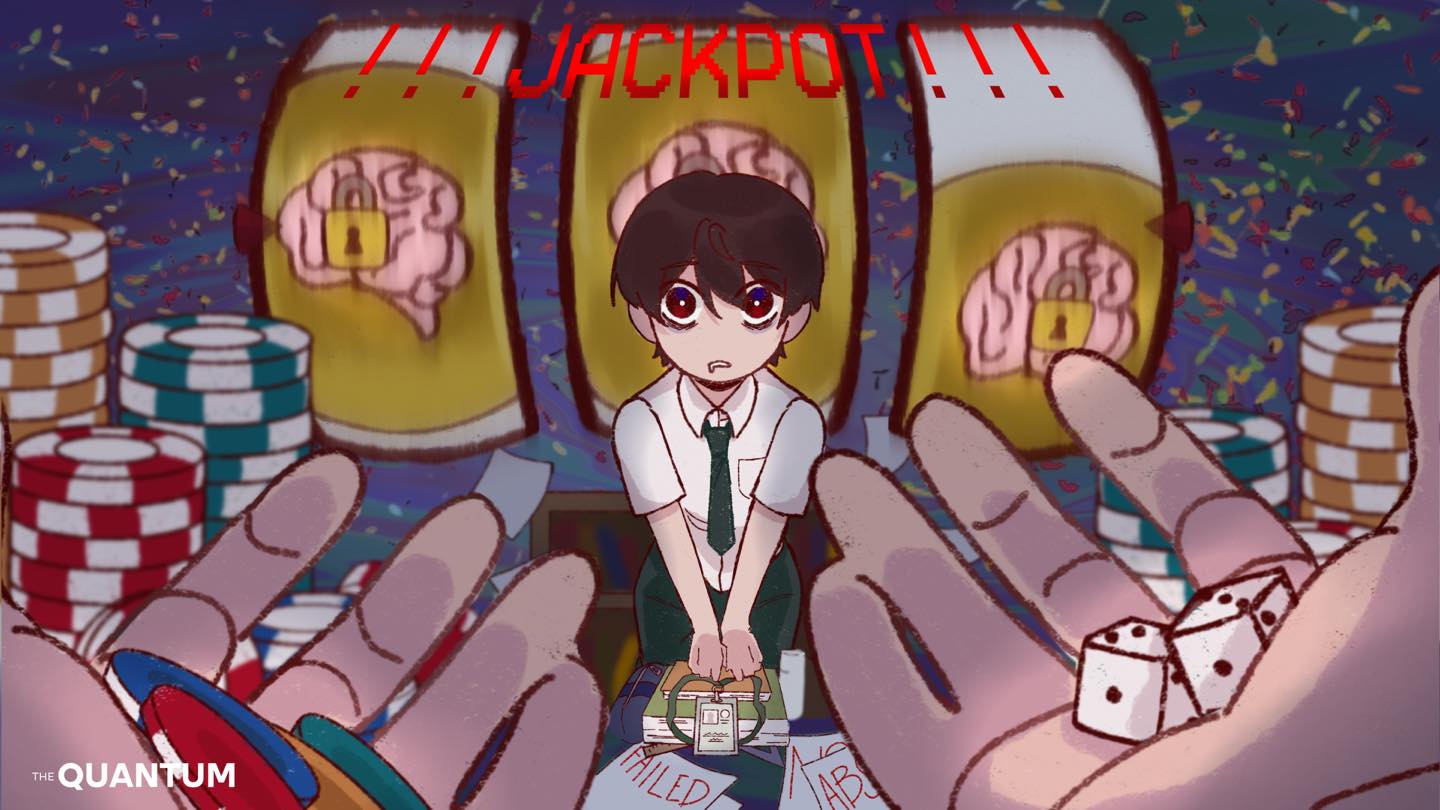
by: Henry Clark CabigonGraphics by: FreAnne Grace TenedorCopyedited by: Joebbie Gaugano When we are still children and even now as adolescents, we learn and develop, not by dictation but by experience. As the Swiss psychologist Jean Piaget says, “Play is the work of childhood,” reiterating that playing is not just a way for children to pass time or have fun but also their most important form of learning and development. But what if this play is not the conventional, traditional definition of playing with friends on the streets but rather on the dangerous abyss of online clicks, dice, and bets, which is online gambling? Currently, authorities are taking a step against this dangerous platform if unregulated. Government agencies like PAGCOR and lawmakers such as Senator Zubiri have filed bills to impose stricter regulations to shield minors from these predatory platforms. PAGCOR, on the other hand, orders the takedown of ads pushing gambling on billboards, aiming to eradicate its pushy and encouraging narratives. These efforts, blocking websites and demanding better age verification, are a crucial first line of defense. This digital form of gambling poses a more complex and unpredictable danger to young people today. Unlike physical casinos that have bouncers and stricter rules, online gambling is open around the clock and accessible from anywhere, including homes and public spaces, using only a smartphone. These sites, using creative graphics and exciting sound effects, are carefully made to appeal to young people, making it difficult to distinguish between real gambling and the mobile games we already enjoy. This transforms the idea of play from a fun, social activity into a lonely, high-stakes obsession that removes the value of patience and hard work, replacing them with the lie of easy money. These then turn into debt, failing grades, anxiety, and a diminished pathway to a better future. However, this is not a problem the government can solve alone. The internet is vast, and for every illegal site that is taken down, another can rise almost instantly. The fight against online gambling cannot just be won in Congress; it must also be taught in our homes and classrooms. The ultimate defense against this digital threat requires a united effort from all of us. For parents, it means having open, honest conversations about the real dangers hiding behind these screens and being aware of their children’s online activities. For our schools, it means integrating digital and financial literacy into the instruction, teaching students how to see past the marketing gimmicks and understand the consequences when we try to play with online gambling. And for us, the youth, it means being vigilant protectors of our own well-being and that of our friends, because if we don’t take a stand now, we may be gambling away not just money, but our very future.

Bridging Borders: Philippines-Japan Friendship Day
by: Danella De Vera Copyedited by: Carlos Agripa Publication by: Yelena Fabricante Association is one thing; amity is another. Aligning is one thing; intertwining is another. Yesterday, July 23, marked the 69th year celebration of a significant partnership—a friendship that tied knots and raveled unfinished history, one that transcended borders, bonded in culture, and paved the way for peace. Almost seven decades ago, the diplomatic relations between the Philippines and Japan were formalized through the signing of the Peace Treaty and Reparations Agreement on July 23, 1956. Consequently, to recognize the celebration of the 50th anniversary of the nations’ relations, President Gloria Macapagal Arroyo declared July 23 as the official Philippines-Japan Friendship Day and 2006 as the Philippines-Japan Friendship Year through Proclamation 854 s. 2005 and Proclamation 905 s. 2005, respectively. Enriching this friendship through frequent gatherings and affiliations, the Philippines and Japan have accomplished several notable projects: Transport and Infrastructure Development Under Japan’s first cooperation pillar of ‘Strengthening a Foundation for Sustainable Economic Growth’ railway developments in Metro Manila were implemented. Under this is the ongoing provision of financial and technical support in the Metro Manila Subway project and the rehabilitation and modernization of the Metro Rail Transit (MRT) Line 3. Equipped with Japan’s advanced technology, these projects aim to accommodate the increasing demand in transportation and to aid traffic congestion and issues of frequent malfunction. Along with this, Japan has also been involved in several road and bridge projects around the Philippines, including the Davao City Bypass, the Cebu-Mactan 4th Bridge, and the San Juanico Bridge. Life Protection and Capacity Development Japan has also taken part in assistance to several healthcare, medical, and hygiene services in the country. This includes advanced medical equipment, infectious disease control, vaccination facilitation, and social rehabilitation. Moreover, to ensure the increase of opportunities and to recognize potentials, Japan has provided aid in education, including the funding for construction of schools and facilities, academic scholarships, and exchange student and teacher programs. Through several partnerships, Japan has also provided job opportunities in the country under the automotive, high-tech, electricity, and chemicals sectors in the Philippines. Contributions to Peace and Stability In the pursuit of peace and solitude, after years of conflict, Japan has implemented a wide range of assistance in the consolidation of peace in Mindanao, particularly the reconstruction of Marawi City after armed conflict in 2017. Training assistance to the Philippine Coast Guard and advanced armaments to the Philippine National Police were also provided to strengthen law enforcement and capabilities, proving that Japan stands with the Filipino people and is ready to assist the country to safety. The Philippines-Japan partnership proves a partnership that is built not only on mutual goals but on a profound sense of solidarity. This bond serves as a bridge between borders of culture and technology. And just like human-to-human friendships, the relationship between nations can stand the test of time, reminding us that in the face of challenges, company matters. References: The Modernization and Extension of Light Rail Transit Line 1 (LRT-1). Embassy of Japan in the Philippines, https://www.ph.emb-japan.go.jp/files/100816860.pdf. Accessed 24 July 2025. �Japan’s Official Development Assistance (ODA) to the Philippines. Ministry of Foreign Affairs of Japan, https://www.mofa.go.jp/files/100217186.pdf. Accessed 24 July 2025. �”The Philippines and Japan Celebrate 69 Strong Years of Friendship.” The Manila Times, 23 July 2025, https://www.manilatimes.net/…/the…/2153637/amp. Accessed 24 July 2025.
The Stillness Between
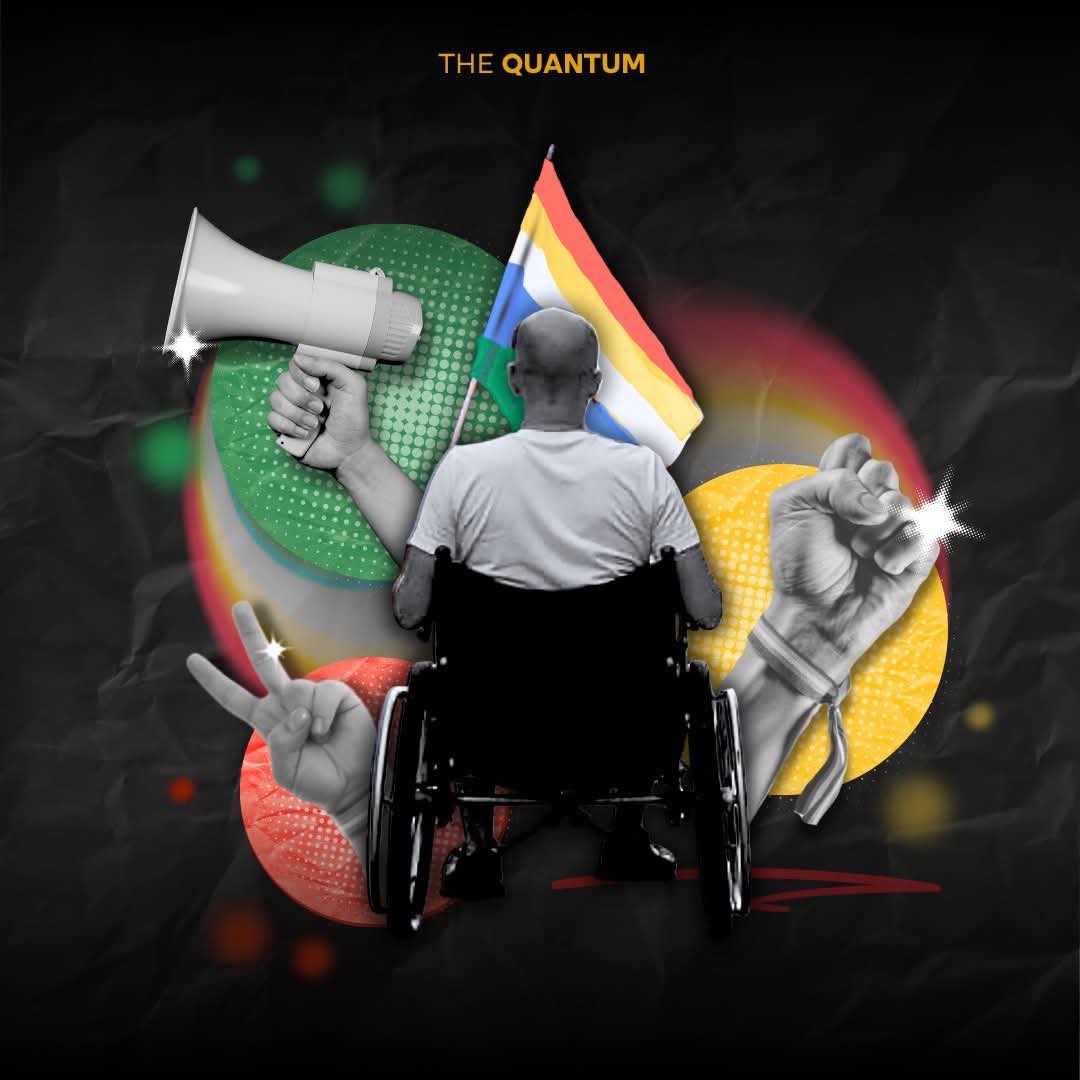
by: Angel Mae SeCopyedited by: Jewel Winslet VallejoPublication by: Rianne Lopez In the corner of everyone’s eyes lies an often overlooked presence, not because it is silent, but because the world forgets how to listen. Stories are sometimes left to just be words themselves—not a journey in someone’s life. Even songs that were once sung with emotions are starting to only be a beautiful melody—not as a sincere memory. Perhaps, the world really forgets how to listen. If so, what will happen to those voices that pleads to be heard? To the poems that ask to be emphasized? What will happen to those silent chronicles of their lives? For one person, this kind of scenario is not a distant observation; it is her daily rhythm. Every morning, she ties her shoelaces twice—to check if she did it right. She folds her notes three times, always in perfect halves. She lines her pencil on her desk every morning in perfect symmetry, erasers facing north, tips all sharpened to the same angle. When her teacher moves one out of place, she doesn’t dare speak it out. She waits until no one else is watching—moving like a keen specimen—then quietly puts it back. This little girl never dares to call it out by name. Most days, she does not even know if naming it would make people around her understand or just make them view her as a freak. Her heart speaks for integrity, yet the world seems to be full of insincerity. The thoughts inside her mind are telling her that things have to be perfectly precise. Not for comfort, but to control the voices in her mind that says, “If you don’t dare to do so, cataclysm will happen along your way.” The hardest battle is sometimes not about fighting the threat of others, but the threat your own self gives. But what others don’t see is the panic when she forgets if she washed her hands after touching her bag. The shame when she spends fifteen minutes rewriting a sentence because the letters never always look even in her eyes. The tightness in her chest when her daily routine is interrupted; how her heart races out of dread. She sits in classrooms where the lessons move too fast, where interruptions send her spiraling, where every group work means hiding the fear of being touched, judged, or rushed. Through it all, her only wish was for people to understand that her mind is a storm she has learned to walk through everyday—that her silence is not absence and that her sense of order is not an obsession. Rather, it is her way of survival. Moving forward was her only ace, and though the repeated explanations may seem defective to others, for someone whose ears are open—her stories are finally understood. For a single ear to hear and an eye to see, one’s stories began to light up for the world to see. The little girl who once used to hide her rewritten notebooks began showing it. Her voice is heard whenever the routine she sets up breaks—even her breath starts to falter. Although some still roll their eyes, a few began to listen. Not because of sympathy, but of respect. For a long time, she finally began to call it pride, not because she’s unafraid, but because she is learning that her difference does not need fixing. Nevertheless, it needs seeing, it needs honoring. And in a world that forgets how to listen, she learns to speak anyway—not loud, but clear. In every stillness within her, there lies a disability that most people tend to forget. Obsessive Compulsive Disorder—a story some share, not as a flaw to be erased, but as a truth to be embraced. A stillness that does not ask for pity. Rather, space. A quiet amidst the noise—where dignity lives, where identity breathes, and where, at last, they are heard.