


As the celebration of the 2025 Women’s Month comes to its end, school leaders Mark Anthony Familaran and Sara Jane Delos Santos gave powerful statements in their opening remarks.

#DOSErye2025: Xyrel James Canonoy’s “Built Different, Beki!”
Publication: Yelena Kazmier Fabricante, and Angelique Inlong Home is Batch 2025’s acceptance of its queer population—an embrace that made it a class like no other. In Xyrel James Canonoy’s “Built Different, Beki!”, he looks back on how the LGBTQIA+ members of this community weren’t just present—they were vital. They were leaders, artists, and friends who thrived because those around them chose love over judgment, pride over silence. Because when a group makes room for its queer hearts, it becomes more than just a graduating class. It becomes home. And Batch 2025? They weren’t just different—they were built different, beki! #DOSErye2025

#DOSErye2025: “Anim, Libo-libo” by Zyriel Josh Coronel
From the writers of Ang Liwanag and The Quantum in Grade 12, we proudly present DOSErye—a series of articles capturing the stories of endings, challenges, and triumphs of Batch 2025. For our first feature, we bring you “Anim, Libo-libo” by Zyriel Josh Coronel, Associate Editor of The Quantum—a heartfelt reflection on six years filled with dreams, tears, and relentless perseverance. #DOSErye2025

Knowledge Through HERstory
By: Chloe Cristobal Publication: Rianne Dane Lopez Chatter filled the dainty room with a vibrant atmosphere, lighting up the eyes of all those who were taking part in the discussion. Students, engaged and eager, bounced ideas off each other–their voices a harmonious blend of insight. In the space, every question and opinion was welcomed, and every answer and counter fueled the next step in the journey of learning. At the forefront, the mastermind running the gears behind the livelyscene that unfolded, was a woman who stood with utmost confidence in her eyes and spoke with utter passion behind every word she taught. The spectacle is a familiar memory to many. I’m sure we all have had a female teacher that embodies a beacon of warmth and wisdom, her presence magnetic. A teacher who ignites passion, fosters curiosity, and nurtures the potential in every student she sees. Eventually, these great women get to work behind the scenes because of their mastery in the art of teaching. Instead of teaching the students, they have now become the leaders that guide the teachers in their respective journeys towards achieving the dream: leaving a positive impact on the lives of these pupils. Each woman tells a different story, and for Asst. Principal Mrs. Sarah Delos Santos, the pushing force that inspired her to pursue leadership in the sector of education is none other than the words of her peers that encouraged her to continue to persevere. Wise, compassionate, and humane are some of the many characteristics she demonstrates. As someone who inspires growth, empowers others, and leads with both strength and empathy, it is not surprising to hear that her motivation in her career is the challenges she faces and accomplishments she garners. “[…], I always consider every challenge and every accomplishment as opportunities to grow and remind myself that I still have a long way to go”, she said enthusiastically. But when asked what kept her going, it was surprisingly not the awards nor the hurdles. It is the passion for learning new things that allowed her to get to where she is today, alongside the guidance of her mentors. According to her, she hopes to see continued opportunities for women to rise in leadership in the Department of Education (DepEd). This can be achieved by fostering an environment where women feel encouraged to lead to strengthen the system for future generations. However, being a woman in the field comes with a hefty amount of challenges. For Mrs. Jackyline Lagana, the real challenge that she has encountered so far is not discrimination or unequal opportunities but finding the right balance between her responsibilities as a leader, a mother, and a wife. Between the tedious hours at work and tiring moments at home, the push and pull for attention of both areas is a struggle most women encounter. For her, juggling these roles has not always been easy, but she has learned that balance doesn’t necessarily mean perfection. It means doing her best with each responsibility she has without sacrificing the other. Some of the ways she maintains balance is by establishing boundaries by dedicating focused hours to work and family. Self-care, such as resting and recharging in whatever way feels most relaxing, is also a necessary component to maintain her mindset that has made it easier to navigate the challenges of being a leader. “Through it all, my passion for what I do and the support of my family have kept me going. Knowing that I can make a difference at work while also being present for my family is what keeps me motivated every day”, she explained. She sends a message to young girls who aspire to be leaders like her. Regardless of how scary the notion of possible discouragement, negativity, and self-doubt thrown in their way, believing in yourself costs nothing. The passion and determination to do the best in everything one does will lead them in the right path. Hard work, perseverance, and self-assurance are what matters most in these girls’ journeys, according to her. Finally, she emphasizes the true meaning of leadership as the way you make others feel, how you inspire them, and how you empower those beneath you. As for Mrs. Arlyn Esber, when encountering moments of self-doubt, she overcomes it through prayer and His guidance. She gives shines the spotlight on these moments of struggle and brings awareness of their normality. However, according to her, these brief glimpses of discouragement or loss of hope does not diminish the accomplishments of a woman, the power of staying true to your self does wonders. “[…] believe in your unique value and embrace your journey. The path may not always be easy, but it will always be worth it”, she said when asked about what advice she would give to her younger self. The stories of these leaders are only few of the many tales women have. This Women’s Month, may everyone be reminded of the boundless potential of women everywhere. They are the architects of change, weaving threads of wisdom and compassion to every fabric of society. They are the heartbeats of families and communities worldwide, serving as the core to every group. Their presence is immeasurable, as their beings continuously remind the world that true greatness is defined not by awards or certificates, but by strength of character, the courage to dream, and the relentless pursuit of a better tomorrow—a world in peaceful harmony.

Most Outstanding Research Adviser of the 2025 National Science and Engineering Fair
Time and again, Ms. Shannen Dorothy Gomez exemplifies what it means to be an outstanding mentor—one whose influence extends far beyond the classroom. With a steadfast commitment to academic excellence and a genuine passion for nurturing young minds, she consistently cultivates an environment where curiosity thrives, critical thinking is sharpened, and innovation takes root. It is with great pride that we recognize Ms. Shannen Dorothy Gomez as the Most Outstanding Research Adviser of the 2025 National Science and Engineering Fair—a well-deserved honor that speaks to her exceptional leadership and unwavering dedication as one of Pasay City National Science High School’s research pillars.

Sa bawat pagsubok, may babaeng bumabangon.
Caption: Stefhanie Khaye Barca Layout: Ziandra Santos and Ana Celso Today, we honor the strength and courage of women who continue to rise above challenges. From fighting for equality to challenging societal norms, they have always shown unwavering resilience. Every woman’s determination to demand change has paved the way for a more fair and inclusive world. This International Women’s Day, we celebrate not only their achievements but also their persistence in moving forward. Let’s stand in solidarity with women anywhere, everywhere—amplifying their voices, respecting their choices, and supporting their rights. A story of a woman is a story interconnected to strength, and together, we can build a future where they are completely free from the shackles of oppression; where they can lead, dream, and thrive. This Women’s Day, may we commit to supporting the women in our lives and beyond.

Awarding Ceremonies of the Regional Schools Press Conference 2025.
IN PHOTOS: Jed Palonpon captures the heat of the moment earlier as the Schools Division of Parañaque City welcomes participants, and advisers at the Awarding Ceremonies of the Regional Schools Press Conference 2025.
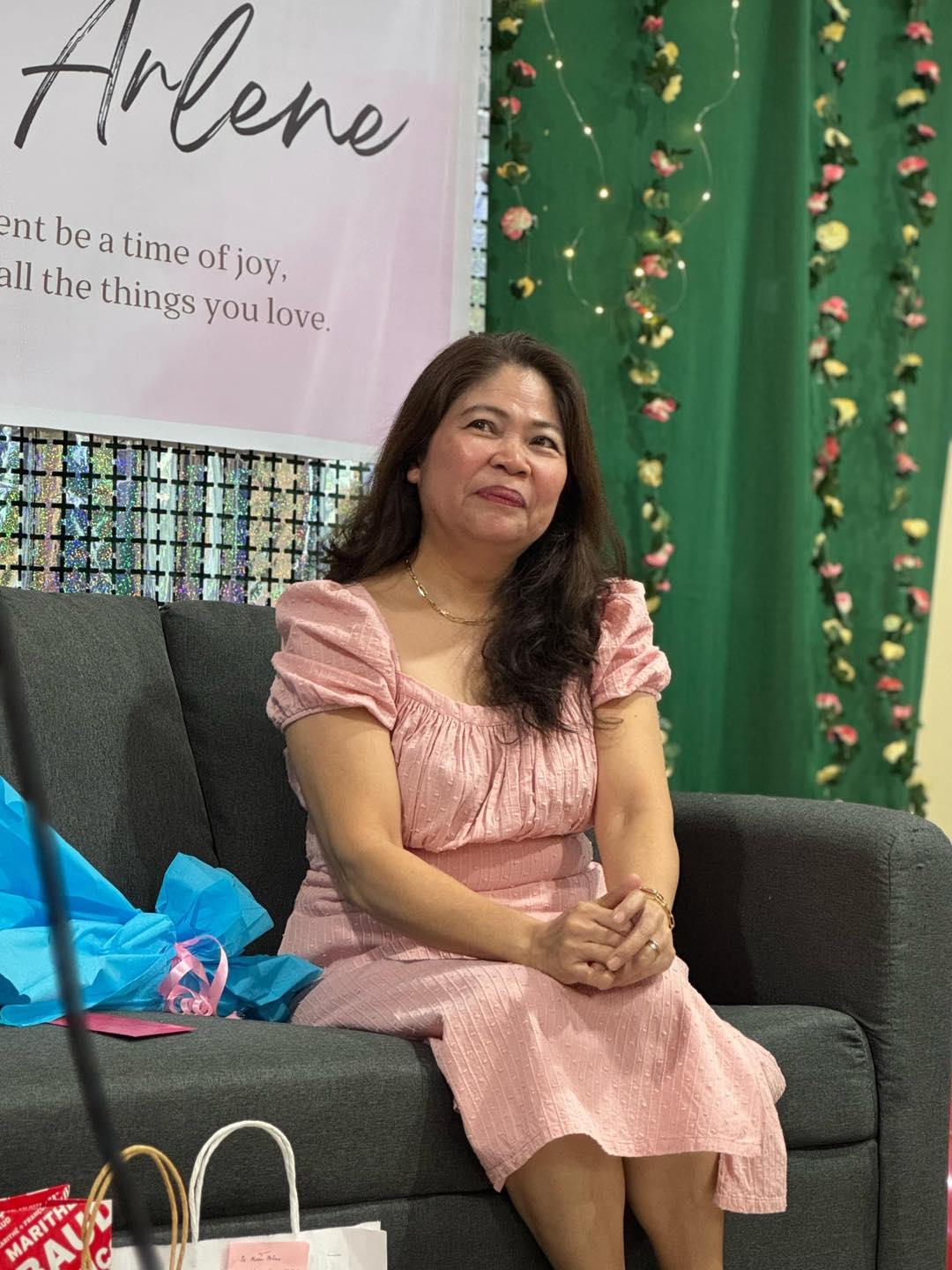
36 years, countless students, and a legacy that won’t fade.
Photos: Mark Reniel Balolo 36 years, countless students, and a legacy that won’t fade. Mrs. Arlene Arcellana is closing her gradebook one last time. From her early years at Pasay City South High School to leading the Science Department at Pasay City National Science High School, she didn’t just teach—she shaped futures. Today, March 6, her colleagues came together to celebrate her journey—one filled with lessons, laughter, and the kind of impact that textbooks could never capture. Tomorrow marks her last day, but her influence will echo in every student who ever saw the magic in science because of her. Enjoy your well-deserved rest, Ma’am Arcellana. The experiment of life now calls for a new adventure!
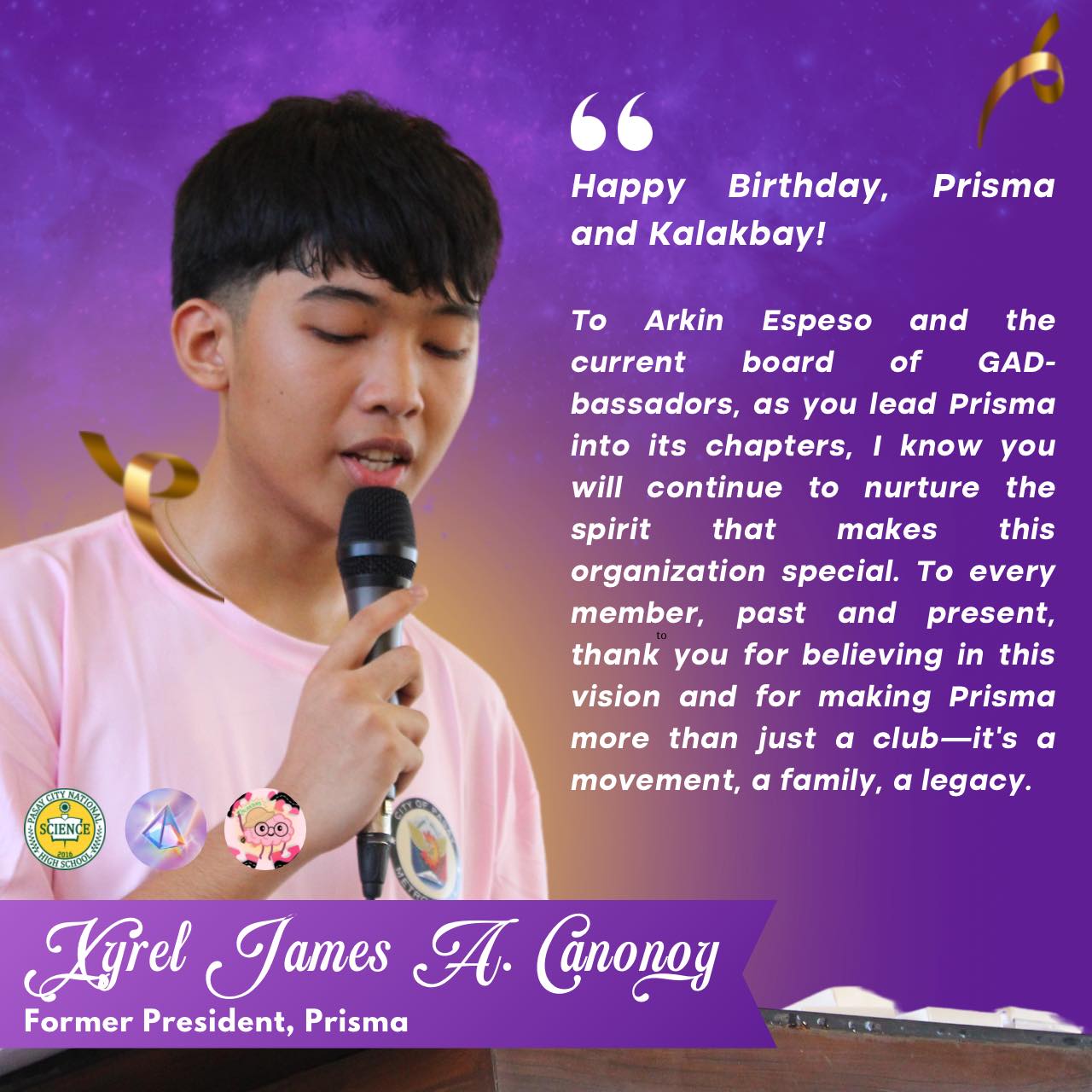
One year of Kalakbay and Prisma: A Celebration of Safe Spaces
By: Xyrel James Canonoy If organizations could have siblings, Kalakbay: The Pascian Teen Center and Prisma: The Gender and Development Club would be just that—sisters. Two different hearts, beating in sync. Two different missions, bound by a shared purpose. One focused on the mind, the other on identity, both fighting to create spaces where Pascian students could breathe, feel, and exist without fear. A year ago, Kalakbay was just an idea in the heart of my best friend, May Relyn De Paz. A dream of a safe space, a quiet refuge where students could rest their weary minds without judgment. It was built on the belief that mental health matters just as much as grades, that emotions are not weaknesses but truths that deserve to be heard. And now, Kalakbay stands firm on the second floor—a sanctuary for those who need to be reminded that they are not alone. Prisma, in many ways, was its twin flame. I built it with the hope that Pascian students—regardless of their gender, their identity, their stories—could finally have a space that saw them, recognized them, fought for them. What started as a student-led initiative for gender and development became a movement, one that refused to be ignored, one that challenged norms and stood proudly in its truth. Kalakbay and Prisma didn’t just exist. They moved, they led, they shook things up. Together, they spearheaded last year’s Women’s Month celebration, not just as an event but as a statement: that mental health and gender rights are not side issues, but at the core of what it means to be human. They proved that student organizations aren’t just for extra-curriculars but for real, tangible change. Sisters don’t just grow together. They fight together. One year in, and Kalakbay and Prisma are more than just clubs—they are institutions. They are proof that young people, with enough passion and courage, can create spaces that truly matter. But this is not where the story ends. The fight for mental health awareness continues. The push for gender inclusivity is far from over. Kalakbay and Prisma will continue to stand—side by side, hand in hand. Because at the end of the day, these aren’t just organizations. They are homes. And as long as Pascian students need them, these sister clubs will remain, unwavering in their purpose, unbreakable in their bond.

Mirrored Realities
By: Shaun Mustang Jacinto & Paul Angelo SalvahanPublication: Angelique Inlong Schools have always mirrored our society. From price hikes to social dynamics, it’s a microcosm of what the ‘real’ world is. School elections, for instance, mimic well the nuances and trends we see in local and national elections. Ideally, they offer us students a democratic process that gives where they majority selects their supposed rightful leaders. But what happens if that power bears no brawn and intelligence? Would cutting the head of the snake solve the problem, or would fostering an environment unfit for a snake to wreak havoc be a better course of action? Due to their striking resemblance to larger-scale elections, school elections play a critical role in raising a generation of voters. However, this similarity also implies that the same deep-rooted issues—political dynasties, monopolized leadership, and voter ignorance—are present even at the school level. One particularly concerning trend is how certain candidates benefit from political affiliations tied to previous administrations. This holds true in Pulse Asia’s last preference survey for the upcoming senatorial election, when familiar surnames dominated the top 14 spots most of which are re-electionists and the rest coming from known political dynasties. They wouldn’t be able to do this without their own way of deception however, which is why on top of their engraved names in the mind of the people, their delusive campaigning also plays a huge factor to their triumph. Take for example the ‘Alyansa para sa Bagong Pilipinas’ partylist leveraged off of their slate filled of “experienced” candidates who already once held positions in the legislative and local governments. The perfect concoction that deludes the masses, requiring a blaring wake-up call to break free from these illusions and recognize the minimal impact flashy candidates have made during their time in service. Credit grabbing and unnecessarily lengthy credentials are the shadows that dim the light to this reality. The very issues that plague national and local elections hide in the underbelly of school elections, reinforcing the idea that our political problems are systemic rather than incidental. Just as in larger-scale elections, school elections tend to favor name recognition over merit, reward performative and populist leaders over genuine service, and create a cycle where the same people retain power. This mirrors the deeply embedded political dynasties and patronage systems that cripple Philippine politics, where elections are less about democratic representation and more about maintaining control. One clear example that exacerbates this is the “vote straight” culture in school party systems, where students are encouraged to elect an entire slate rather than evaluating individual candidates based on merit. Albeit party affiliations can provide structure, they often serve as pylons for exclusivity, prioritizing alliances over competence. This mimics the way political parties in the Philippines operate, particularly in the party-list system, which was meant to give marginalized groups representation but has instead been co-opted by elite interests. Just as established names dominate the ballots in national elections, school parties often become monopolized by the same groups, making it difficult for independent candidates or newcomers to break through this chain. This culture discourages critical voting and reinforces blind loyalty over informed decision-making. The sad metaphor of “musical chairs” aptly describes this cycle of Philippine politics: the same names resurface, ensuring that power remains within the same networks. It is clear that voter education alone cannot fix an electoral process designed to benefit the powerful. While it is often seen as the key to better election outcomes, education means little when the system itself encourages popularity over substance, exclusivity over inclusivity, and familiarity over fresh leadership. Without institutional reforms that address elite control, unregulated campaign practices, and voter apathy, educating students on how to vote wisely will not be enough to disrupt the status quo. This is why school elections should not be treated as just mock elections, but as opportunities to demand and practice real democratic principles. Political change does not begin and end at the ballot box—it must start where power structures first take its form: within the confines of schools. If student elections continue to manifest the dysfunctions of national politics, then we are merely training the next generation to accept corruption, performative leadership, and political stagnation as the norm. Breaking this cycle demands continuous efforts to demand transparency, hold student leaders accountable, and push for fairer election policies within schools. Change begins at the grassroots level, not just in national government, but in the very institutions where we first learn to engage in politics.