


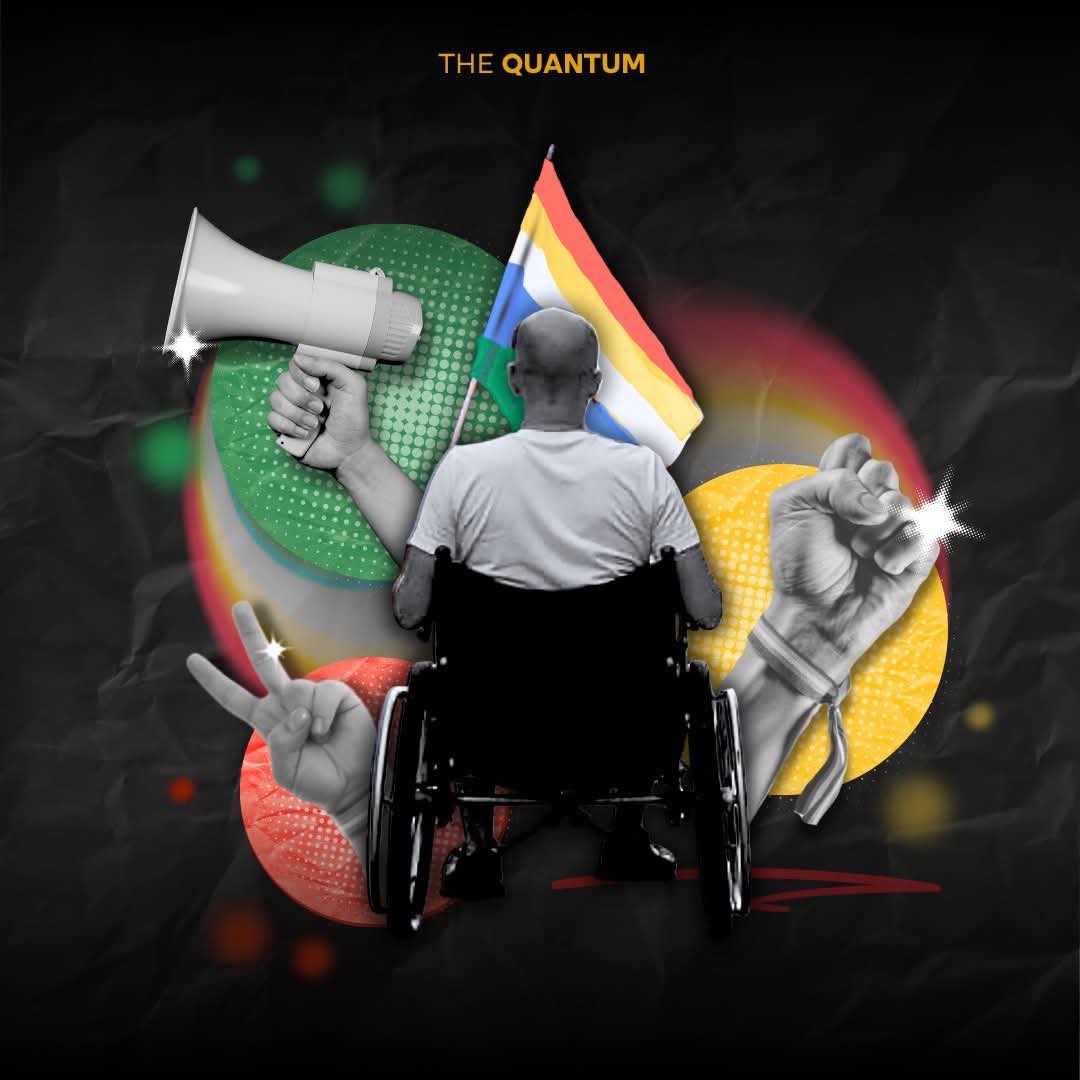
by: Angel Mae SeCopyedited by: Jewel Winslet VallejoPublication by: Rianne Lopez In the corner of everyone’s eyes lies an often overlooked presence, not because it is silent, but because the world forgets how to listen. Stories are sometimes left to just be words themselves—not a journey in someone’s life. Even songs that were once sung with emotions are starting to only be a beautiful melody—not as a sincere memory. Perhaps, the world really forgets how to listen. If so, what will happen to those voices that pleads to be heard? To the poems that ask to be emphasized? What will happen to those silent chronicles of their lives? For one person, this kind of scenario is not a distant observation; it is her daily rhythm. Every morning, she ties her shoelaces twice—to check if she did it right. She folds her notes three times, always in perfect halves. She lines her pencil on her desk every morning in perfect symmetry, erasers facing north, tips all sharpened to the same angle. When her teacher moves one out of place, she doesn’t dare speak it out. She waits until no one else is watching—moving like a keen specimen—then quietly puts it back. This little girl never dares to call it out by name. Most days, she does not even know if naming it would make people around her understand or just make them view her as a freak. Her heart speaks for integrity, yet the world seems to be full of insincerity. The thoughts inside her mind are telling her that things have to be perfectly precise. Not for comfort, but to control the voices in her mind that says, “If you don’t dare to do so, cataclysm will happen along your way.” The hardest battle is sometimes not about fighting the threat of others, but the threat your own self gives. But what others don’t see is the panic when she forgets if she washed her hands after touching her bag. The shame when she spends fifteen minutes rewriting a sentence because the letters never always look even in her eyes. The tightness in her chest when her daily routine is interrupted; how her heart races out of dread. She sits in classrooms where the lessons move too fast, where interruptions send her spiraling, where every group work means hiding the fear of being touched, judged, or rushed. Through it all, her only wish was for people to understand that her mind is a storm she has learned to walk through everyday—that her silence is not absence and that her sense of order is not an obsession. Rather, it is her way of survival. Moving forward was her only ace, and though the repeated explanations may seem defective to others, for someone whose ears are open—her stories are finally understood. For a single ear to hear and an eye to see, one’s stories began to light up for the world to see. The little girl who once used to hide her rewritten notebooks began showing it. Her voice is heard whenever the routine she sets up breaks—even her breath starts to falter. Although some still roll their eyes, a few began to listen. Not because of sympathy, but of respect. For a long time, she finally began to call it pride, not because she’s unafraid, but because she is learning that her difference does not need fixing. Nevertheless, it needs seeing, it needs honoring. And in a world that forgets how to listen, she learns to speak anyway—not loud, but clear. In every stillness within her, there lies a disability that most people tend to forget. Obsessive Compulsive Disorder—a story some share, not as a flaw to be erased, but as a truth to be embraced. A stillness that does not ask for pity. Rather, space. A quiet amidst the noise—where dignity lives, where identity breathes, and where, at last, they are heard.
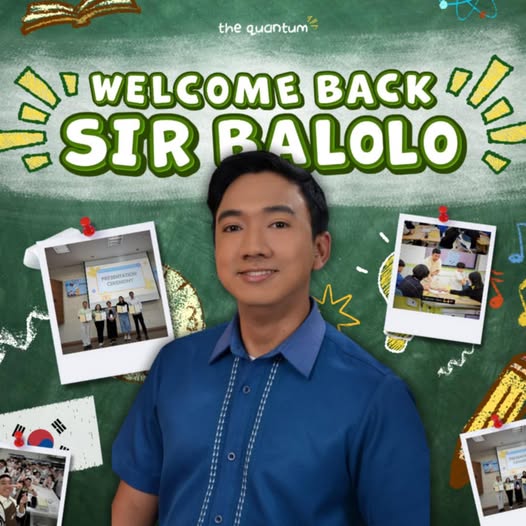
Korean Odyssey: Balolo’s Global Journey with Media Literacy
via Elyzza Esteban | The QuantumPhotos by: Mark Reniel BaloloPublication: Yelena Fabriancte Mark Reniel R. Balolo, participant under the 2025 Korea-Philippines Teacher Exchange Program (KPTEP), has officially returned to the country after a three-month teaching and cultural exchange stint at Suncheon Hyosan High School in South Korea, this Monday—July 14. Balolo, who represented the Philippines in the international exchange program, delivered lectures centered on Media Literacy—empowering students with critical skills to responsibly and effectively engage with digital platforms. The KPTEP program seeks to promote global citizenship through education, while fostering intercultural understanding between Korea and the Philippines. Capping his stay, Balolo was chosen to take part in the final presentation of their projects for the Philippines, showcasing details regarding his lectures regarding media literacy and its impact on his students, held last Friday, July 11. The event was also attended by Dr. Margarita Ballesteros, Director from the Department of Education, and Edwin Gil Q. Mendoza, Deputy Head of Mission at the Philippine Embassy in South Korea, who both offered feedback on the presentation. Along with Mr. Balolo, the final presenters also included Ms. Ma. Lourdes D. Rola from Caloocan High School, Ms. Toni Rose S. Sayson from Dumaguete Science High School, and Mr. Raleigh J. Ojanola from Koronadal Comprehensive High School. Upon his return, Mr. Balolo paid a courtesy call to Schools Division Superintendent Dr. Joel T. Torrecampo, CESO VI, wherein he was joined by Pasay City National Science High School Principal Dr. Mark Anthony F. Familaran, Assistant Principal Mrs. Sarah Jane T. Delos Santos, and Head Teacher III Mrs. Jackyline T. Lagaña.
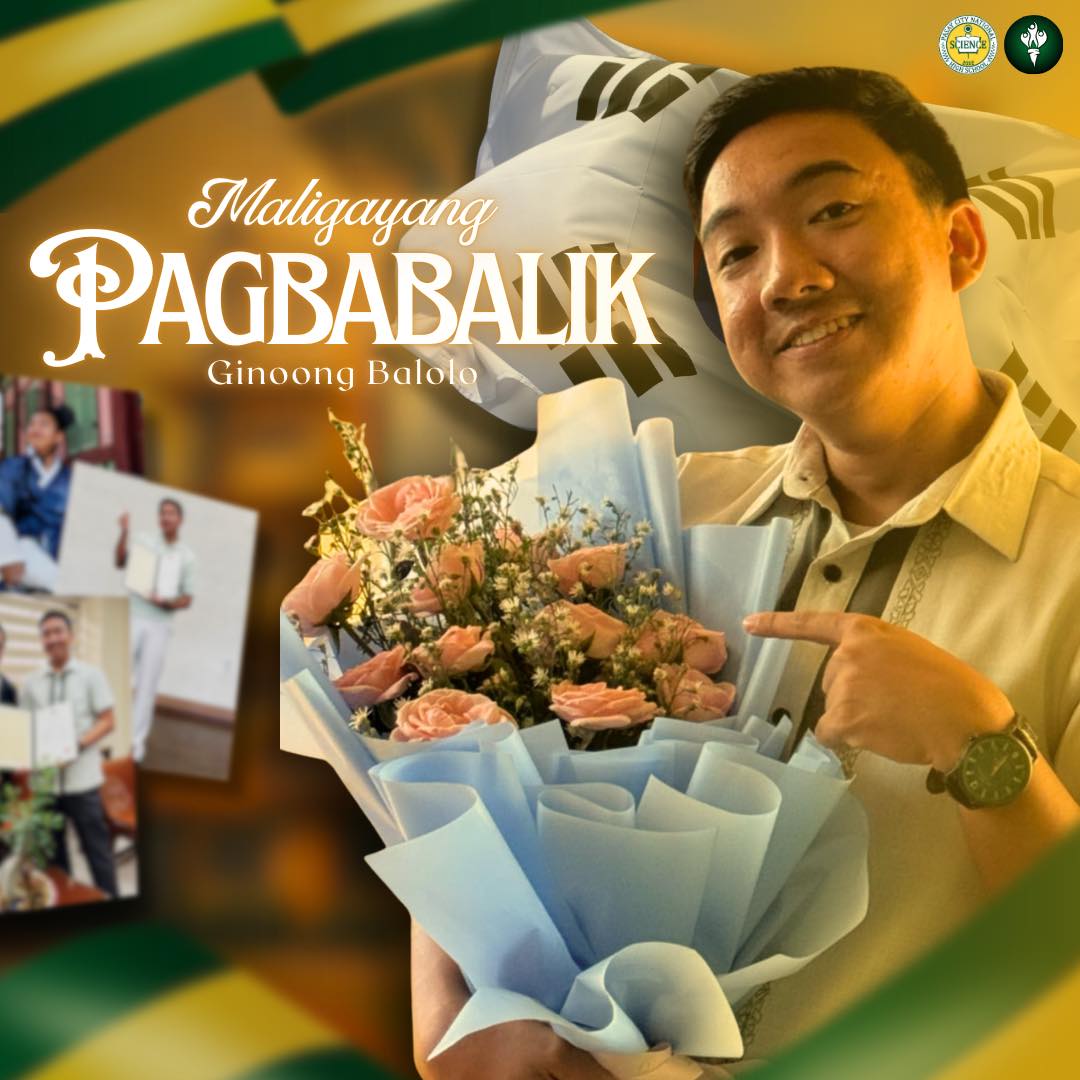
Magiting na Guro, Inspirasyon ng Bayan
:Althea Loro: Ashley Ballesteros “Annyeonghaseyo,” marahil ang isa sa mga naging bukambibig niya sa mga nagdaang buwan. Talagang nakamamanghang isipin na ang kaniyang kakayahan bilang isang guro ay hindi lamang naranasan ng mga mag-aaral dito sa Pilipinas. Dinala niya ang kultura at edukasyon ng lupang sinilangan sa ibang bansa—sa katimugan ng Korea o mas kilala bilang South Korea. Matunog ang kaniyang ngalan dahil sa kaniyang posturang makaagaw pansin, mga matang laging nagmamasid, at tinig na naabot ang kaloob-looban ng sinumang kaniyang makasalamuha. Kilala n’yo ba siya? Isa siya sa apat na mapapalad at nagkaroon ng pagkakataong lumipad papunta sa banyagang lupa. Ang oportunidad na ito ay hindi madaling makuha subalit dahil sa sipag at tiyaga, sa lahat ng mga tagapagturo sa Pilipinas, siya ay isa sa mga napiling kinatawan ng ating bayan. Sa ilalim ng Korea-Philippines Teacher Exchange Program 2025 o KPTEP, siya ay nagturo sa Suncheon Hyosan High School mula Abril 15 hanggang Hulyo 12. Maliban pa sa pagiging panday-kaalaman, nagningning din siya bilang simbolo ng kultura sa ginanap na World Day for Cultural Diversity for Dialogue and Development—isang selebrasyong ipinagdiriwang ang iba’t ibang kultura sa mundo. Taas-noo siyang rumampa sa ginanap na fashion show habang suot ang Barong Tagalog, ang pambansang kasuotan ng kalalakihan sa bansa. Iginagalang, tinitingila, at hinahangaan. Tunay siyang inspirasyon hindi lamang ng kabataan kundi pati na rin ng mga guro. Hindi lamang aral na magagamit sa paaralan ang kaniyang ibinabahagi; hindi rin siya nagdadalawang-isip na magbigay ng mga salitang tatatak sa isip at puso ng bawat isa. Saglit man ang kaniyang naging paglalakbay, tiyak kong maraming naabot ang kaniyang tinig na makapangyarihan. Paulit-ulit niyang pinatunayan na ang kaniyang kakayahan ay hindi lamang limitado sa Pilipinas. Sa alinmang larangan siya tumindig—bilang guro, mamamahayag, o tagapagsalita, hindi magmamaliw ang sinag ng kaniyang diwa na nagbibigay-ilaw at pag-asa sa nakararami. Kilala n’yo na ba siya? Kung gayon, sabay-sabay natin siyang batiin ng… Maligayang pagbabalik, G. Mark Reniel L. Balolo!
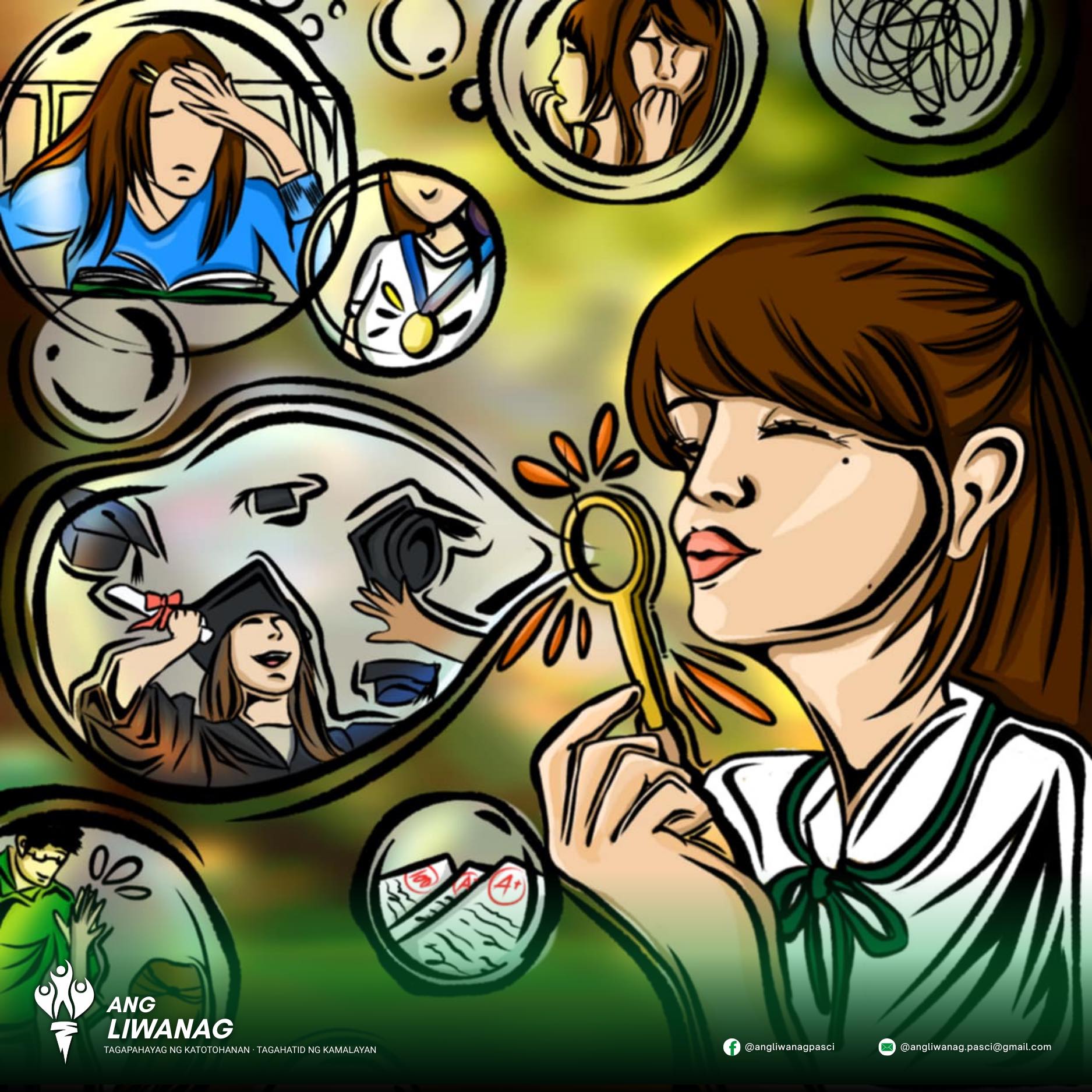
Sa pagiging isang estudyante, may mga araw talagang parang wala ka namang napapala.
: Leigh Ann Prado Sa pagiging isang estudyante, may mga araw talagang parang wala ka namang napapala. Gumising ka nang maaga, naghabol sa siksikang jeep, at pumasok kahit walang tulog – tapos babagsak ka rin pala sa quiz. Kaya minsan, mapapaisip ka na lang talaga, “Para saan pa ba ‘to?” Ganiyan ang paulit-ulit na tanong ng isang tulad kong mag-aaral na gusto nang huminto kahit sandali — ngunit babangon din namang muli. Maraming araw na sunod-sunod ang gawain, sabay-sabay ang deadline, at paulit-ulit ang pagod dahil sa mahabang oras ng klase. Pero tila walang bumabalik mula sa lahat ng paghihirap ko. Para bang ako na lang palagi ang lumalaban, at wala ni isa ang handang sumalo. Sa bawat taon mo sa paaralan, paniguradong may iba-ibang “ikaw” na lumilitaw. Tulad ko, may bersyon ka ring puyat kaka-review pero bumagsak pa rin. May bersyon kang sumaya dahil minsan kang napansin at pinuri ng guro. At may bersyon ka ring hawak ang medalya o sertipiko habang naiiyak – dahil alam mong hindi naging madali ang pinagdaanan mo. At ang hindi mo napapansin, sa bawat “ikaw” na dumaraan, unti-unti mong binubuo ang sarili mong kuwento. Kuwento ng pangangarap kahit pagod na. Kuwento ng lakas ng loob kahit pinanghihinaan na. At kuwento ng mga pagkakamaling nagtuturo sa ‘yo kung paanong muling bumangon. Lahat ng naging bersyon ng ating mga sarili – ‘yung pagod, ‘yung umiyak nang palihim, ‘yung minsang gusto nang sumuko, at ang tahimik pero patuloy na lumalaban – sila ang nagturo sa atin kung paano maging tayo ngayon. Sila ang nagtulak sa atin para matuto at magpatuloy. At sa dami ng laban na ating hinarap, tayo ang tunay na panalo. Hindi dahil sa tayo’y perpekto, kundi dahil hanggang ngayon, nandito pa rin tayo. Ang “ikaw” na minsang mahina, takot, pero matapang – ay naging saksi sa pagbuo ng isang estudyanteng hindi lang matalino, kundi matatag. Hindi lang palaban, kundi buo. At sa pagtatapos ng lahat ng ito, darating ang araw na pasasalamatan mo ang lahat ng naging bersyon ng sarili mo. Maging bersyon mo man ito na hindi huminto – o kahit pa ‘yung bersyon mong sumuko.
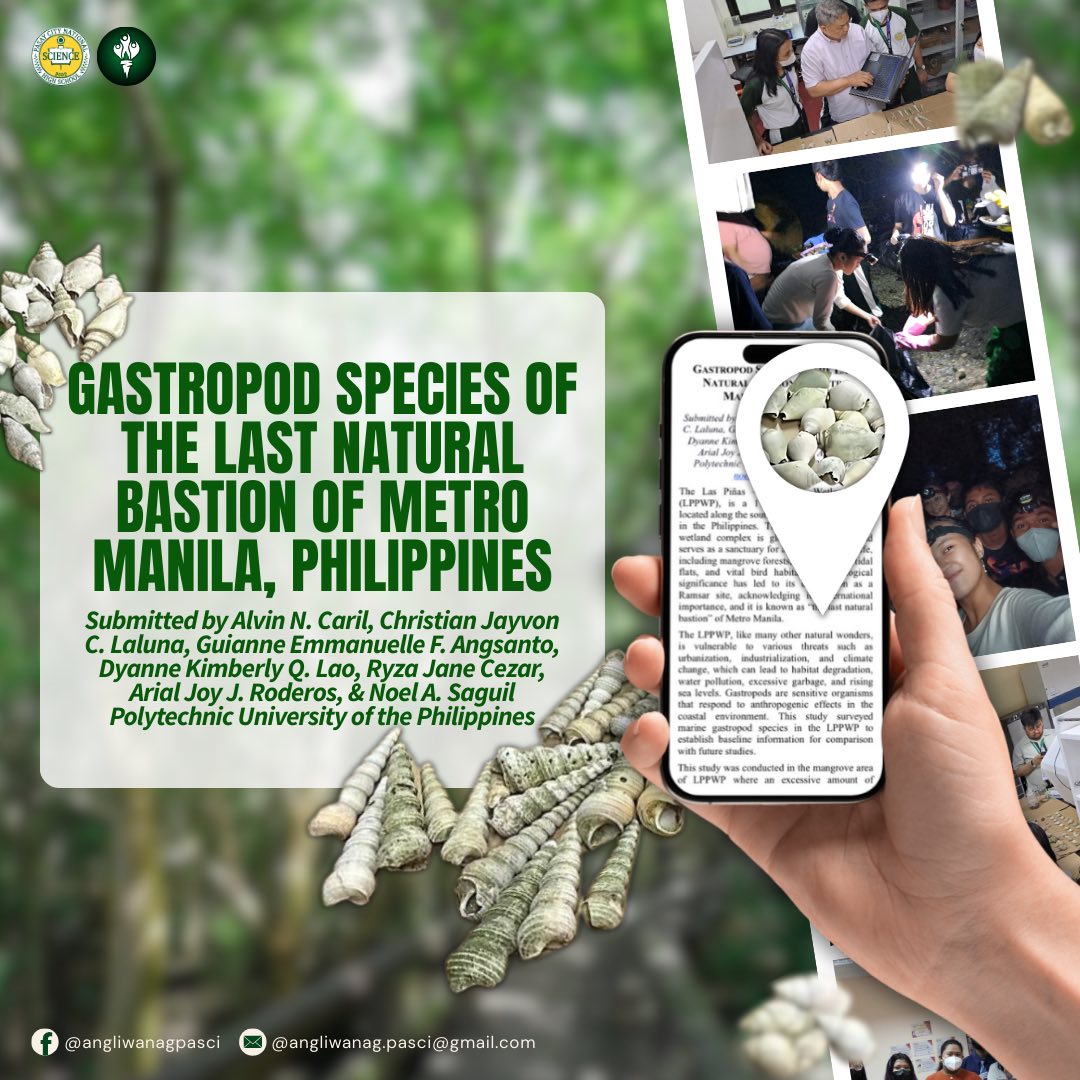
Gastropod Species of the Last Natural Baston of Metro Manila, Philippines
: Alaiza Cruz: Ashley Ballesteros Isang bagong pag-aaral sa Las Piñas-Parañaque Wetland Park ang nagbunyag ng mababang bilang ng marine gastropods na palatandaan ng matinding epekto ng polusyon at urbanisasyon sa natatanging wetland na ito sa Metro Manila. Kinabilangan ng mga dating estudyante ng Pasay City National Science High School (PCNSciHS) na sina Guianne Emmanuelle F. Angsanto, Dyanne Kimberly Q. Lao, Ryza Jane Cezar, Arnold Janssen G. Sumilang, Olivia Estephanie A. Basul, Felmyr Jhude B. Gamboa, Veronica Anne L. Hernandez at Clarence Vince M. Ikalina, dating research adviser na si G. Christian Jayvon C. Laluna, at mga partner researchers galing Polytechnic University of the Philippines (PUP) College of Science na sina G. Alvin N. Caril, Bb. Arial Joy J. Roderos, at G. Noel A. Saguil ang naturang pag-aaral. Ayon kay Guianne Angsanto, ang lider ng grupong nagsagawa ng pag-aaral, ang mga pangunahing sanhi ng polusyon at urbanisasyon sa wetland ay kinabibilangan ng patuloy na pagtatambak ng basura, land reclamation, at coastal development. Ang mga pagbabagong ito ay nagiging sanhi ng pagkasira ng natural na tirahan ng mga marine gastropods, lalo na sa mga mangrove area na bahagi ng focus ng kanilang research. “Kapag bumaba ang kalidad ng tubig, nasira ang mga tirahan, o dumami ang mga invasive species, ito ay malaki ang epekto sa populasyon ng mga gastropods,” ani Angsanto. Ang lugar ay itinuturing na Ramsar site o internasyonal na protektadong basang-lupa kung kailan ngayon ay humaharap sa panganib. Kailangan na ang agarang aksiyon para mapanatili ang natitirang baybaying santuwaryo ng siyudad. Pagbati sa ating mga mananaliksik! Basahin ang buong ulat sa Vol. 54 (1) Spring 2024: https://ams.wildapricot.org/AMS-Newsletter

𝗜𝘀𝗮𝗻𝗴 𝗱𝗲𝗸𝗮𝗱𝗮 𝗮𝘁 𝗽𝗶𝘁𝗼𝗻𝗴 𝘁𝗮𝗼𝗻.
Matagal pa, pero ako’y pagod na pagod na. Ibang-iba na ang tingin ko sa buhay ngayong dose-dosenang responsibilidad na ang aking kinahaharap. Mula sa aming munting tahanan hanggang sa paaralan, tila ba’y sandali na lamang ay iwawagayway ko na ang puting bandila, dala-dala ang aking mga sakripisyo at paghihirap. Alam kong hindi agad natatapos ang paglalakbay para sa aking mga pangarap. Kaya hangga’t maaari, sinusubukan kong tibayan ang loob ko at patuloy na kayanin ang mga hamon ng buhay. Kaya naman, sa tuwing pinanghihinaan ako ng loob ay sinusulatan ko ang aking sarili–hindi upang humingi ng simpatiya, kundi upang mag-iwan ng paalala: Kinaya ko ang kahapon at patuloy akong lalaban para sa mga susunod na bukas. Naalala ko noon, ang dami kong kailangan gawin. Kailangan kong mag-ensayo para sa performance task sa sayaw, mag-aral para sa sunod-sunod na pagsusulit kinabukasan, at higit sa lahat, maghanda para sa presentasyon ng grupo. Aaminin ko, sa mga oras na ‘yon, gusto ko na lang maglaho o ‘di kaya’y maging isang pusang kain-tulog lang ang ginagawa sa buong maghapon. Dumating pa nga ako sa punto na napadasal ako ng, “Lord, hindi po ako bahagi ng sandatahang lakas Ninyo…” Pero syempre, ‘di ko tinuloy dahil baka madagdagan na naman ako ng minus 1 sa langit. Ang nagawa ko na lang ay tumingin sa salamin at umiyak. Limang minuto lang. Kasi kailangan ko pa rin talagang mag-aral. Pero sa limang minuto na ‘yon, may nakita akong iba sa salamin. Hindi ang ako na ngayon, kundi ‘yung batang ako. Umiiyak din siya. Pagod ding tulad ko. Pero may kaibahan kaming dalawa: siya, hindi sumuko. Samantalang ako, litong-lito kung magpapatuloy pa ba o hindi na. Doon ko napagtanto na kung siya, na mas bata at mas inosente, ay kinaya ang lahat– ano pa kaya ako ngayon? Kaya ko rin. Kung paanong sinabayan ng batang ako ang agos ng buhay, siguro, hindi masama kung siya ang maging dahilan kung bakit gusto ko pang ipagpatuloy ang lahat nang ito. Gaya nga ng liriko sa kantang 711 ni Toneejay, gusto kong ibigay buhay na gusto at karapat-dapat maranasan ng batang ako. Salamat sa batang ako, sapagkat hindi siya sumuko. Napagod lang, pero lumaban pa rin. Hindi ko maisusulat ito ngayon kung siya’y nanatili lang sa gitna ng rumaragasang alon ng buhay. Kaya iniaalay ko ang lahat ng tagumpay ko, sa mga pagsubok na kinaya ko, sa mga desisyong naging daan ng aking pagkatuto. Sa kanya. Sa batang ako. Mapapagod lang pero hindi susuko. Para sa lahat ng makababasa nito, nais kong ipaalala sa inyo: ayos lang bumagal. Ayos lang na pansamantalang huminto para huminga. Hindi naman matatapos ang pagtakbo mo sa iyong mga pangarap kung magpapahinga ka. Hindi naman palaging madugo ang problema. Gaya ng lahat ng bagay, ito rin ay lilisan at magbabago. 𝗔𝘁 𝗽𝗮𝗿𝗮 𝘀𝗮 𝗯𝗮𝘁𝗮𝗻𝗴 𝗮𝗸𝗼, 𝘀𝗮𝗹𝗮𝗺𝗮𝘁 𝗱𝗮𝗵𝗶𝗹 𝗸𝗶𝗻𝗮𝘆𝗮 𝗺𝗼. Kaya mo ‘yan. Kaya ko ‘to. Kakayanin natin ang lahat ng ito.

The Algorithm of Emotions
by: Santine Mauritius SusaGraphics by: Cyrelle Rañeses In the Philippines, where internet users spend an average of 4 hours and 6 minutes daily on social media, AI has become a quiet actor that curates not only content, but emotions. While it may seem that Facebook, TikTok, and YouTube simply show what’s “relevant,” the truth is more complicated—and even more concerning. AI systems on these platforms are designed to maximize engagement by learning what triggers reactions—whether that be anger, sympathy, excitement, or fear. The more emotionally intense the content, the more likely it is to be shown. Over time, this creates highly personalized and emotional echo chambers that show the user a feed of what makes them ‘feel’ the most, instead of what’s accurate and factual. What makes this even more dangerous is that AI is no longer just curating content—it is creating it. Tools like ChatGPT, Midjourney, and countless deepfake generators are now used to craft realistic-looking articles, images, videos, and even human voices, with little to no human input. These tools are becoming so advanced that many AI-generated posts are now indistinguishable from real content. Fake news articles can be written with proper grammar, journalistic tone, and convincing statistics—none of which are true. Deepfakes can replicate a politician’s face and voice to say something they never said. AI-generated tweets, memes, and videos can appear organic, especially when shared by trusted influencers or fan pages. These types of content are often paired with emotionally charged stories designed to go viral: stories that provoke anger, reinforce biases, or target vulnerable groups. And when these are amplified by social media algorithms, they spread faster than attemots at counter-acting with verified information—because emotional content is more likely to be clicked, shared, and engaged with. The staggering rise of AI-generated deepfakes on social media is outpacing manual fact-checking, tilting the balance in favor of falsehoods. With a population that’s highly expressive and active online, Filipino users are particularly at risk. Emotional reactions—be it laugh-reacts, rage comments, or teary shares—feed the algorithm’s understanding of what to push next. During the 2022 elections, many Filipinos unknowingly shared AI-generated content ranging from edited videos to false quotes. In many cases, the posts appeared professional, complete with watermarks and fake sources, making them harder to question. As AI-generated misinformation increases, so does public confusion and emotional fatigue. Users are left unsure about what’s real, overwhelmed by conflicting stories, and an increasingly distrustful rise of legitimate sources. This erosion of trust in both media and institutions is one of the most damaging long-term effects of emotional manipulation online. The first step in resisting this manipulation is understanding that not everything in your feed is real—or neutral. Users should be more critical of content that seems overly dramatic, unverified, or too perfectly aligned with personal beliefs. Efforts in digital literacy are being made nationwide, from NGOs to school programs, aiming to teach students how algorithms and AI content work. While regulation and platform accountability remain ongoing debates, the most immediate defense is personal awareness. In an age where artificial intelligence can imitate reality with alarming accuracy, being emotionally informed—and not just emotionally triggered—might be the best safeguard we have.

Balolo on APCEIU News: Empowering Digital Media Literacy
via Nikita Parina and Danella De Vera | The QuantumPublication by: Rianne Lopez Mr. Mark Reniel Balolo was recently featured in APCEIU News as one of the 20 inbound teachers deployed to Korean schools. In his English classes, Mr. Balolo placed a strong emphasis on digital media literacy. See the full article below: https://www.unescoapceiu.org/post/5368
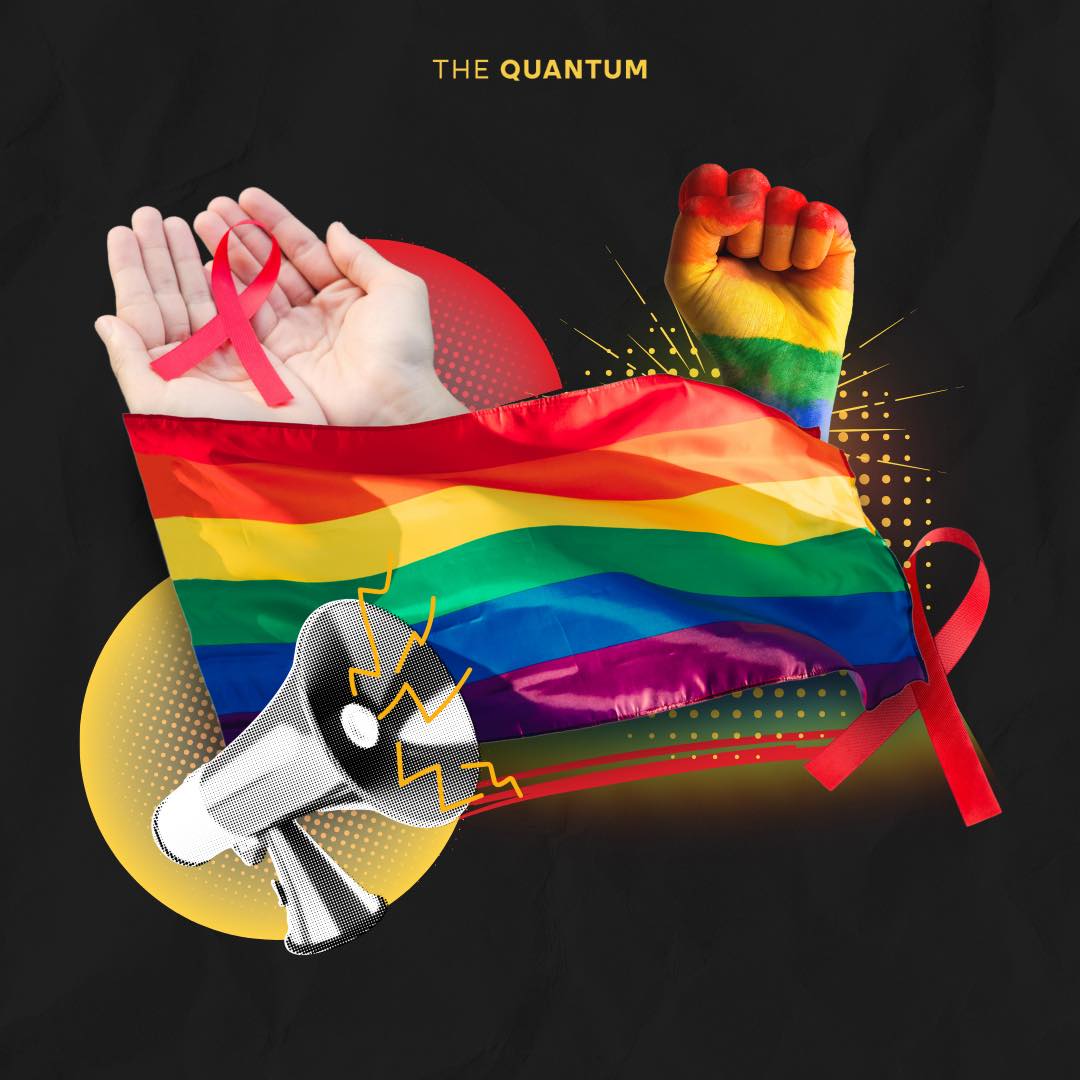
Pride In Prevention
By: Aljhur P. DangananPublication: Jamelle Ronquillo Pride Month—a month to recognize the rights, culture, and significance of the queer community, has instead been bombarded with baseless accusations and stigma following the surge of HIV cases in the Philippines. The sudden 500% spike in human immunodeficiency virus cases this month has sparked another wave of negative sentiments against the LGBTQ+ community. People were quick to question and point out how gay men continue to be disproportionately impacted by HIV. Whilst the statistics are true, the problem lies within the context of why it is that they are affected the most. HIV being associated with queer people has already been acquainted decades ago. From the 1980s, the AIDS epidemic that began with gay men in the US, even termed “gay-related immune deficiency,” would be the start of this stigma. Likewise, the Philippines would experience its first case in 1984. This stain in history would then unfortunately pass on to generations up until now. “Gay disease” has been a misleading term that has permeated throughout society in spite of the fact that anyone can contract it regardless of sexual orientation. Not only is it false, but it is one of the reasons why the stigmatization surrounding the community has aggravated. The problem is not the fact that HIV is rampant in queers. The deeper issue lies in our failure to realize that said stigma and discrimination are the driving force of this rise in cases. How do we expect them to feel accepting of their status when they are being ostracized and shunned? When this issue is viewed through a lens of negativity and shame, it only worsens the internalized stigma and perception people have of themselves. Any comprehensive strategy must begin with considering this problem. Yet, not everyone is confident of going into a hospital without expecting to be harassed, mistreated, or denied service outright. Hypocrisy is at its finest, and it is necessary that everyone cooperates. It takes no effort to be respectful and supportive of those bearing the brunt of the virus. In fact, it is extremely easy to spread awareness and advocate for comprehensive education, strategic prevention, and healthcare access. Pride Month was never just about celebrating queerness—it was highlighting the significance of breaking stigmas, how queer people have suffered from the implications of homophobia, and the fact that the LGBTQ+ community are humans, too. HIV is not something exclusive to queers, it is a harmful disease that deserves to be recognized and treated with dignity regardless of self. Before Pride Month ends, may the profundity of this matter lead to the dismantling of the ever-so-unhealthy stigma that continues to torment the lives of the queer community.
Pagbuo, paggunita, at pag-abot sa mga pangarap
Ngayong ika-17 ng Hunyo 2025 ay ating bibigyang pagkilala at pagpapahalaga ang mahal na paaralan. Pagkilalang hindi lamang para sa binuong eskwelahan kundi maging sa mga haligi nito. Nasaksihan ng mga taong dumaan ang parehong paghihirap at pagsisikap ng bawat guro, mag-aaral, at iba pang kabahagi ng maituturing nating ikalawang tahanan. Kapit-bisig ang bawat isa sa pagsusumikap na makamit ang inaasam na pinakamahusay na bersyon ng Pasay City National Science High School—isang paaralang maayos, ligtas, at may mataas na kalidad ng edukasyon. Dalawang dekada at tatlong taon nang humuhulma ng iba’t ibang mag-aaral ang Pasay City National Science High School. Ang ilan sa mga nakapagtapos sa ating paaralan ay ganap nang naging parte ng sandatahang lakas ng ating bansa, naging mga kagalang-galang na mga gurong walang kapagurang tumutulong sa pagpapalawig ng kaalaman ng bagong henerasyon ng mga mag-aaral at higit sa lahat, mga nagsikamit ng kanilang mga pangarap na nagiging daan upang mabigyang boses at hustisya ang mga naaapi—sa likod man ito ng mga balita o sa gitna ng nakapapantindig balahibong korte. Ang bawat kwento ng kanilang kapalaran ang isa sa mga bumubuo ng haligi nitong ating paaralan. Nadapa ngunit bumangon. Nahirapan ngunit kinaya. Napagod ngunit lumaban. Ganiyan hinubog ng Pasay Science ang isang tunay na PaScian. Sa pagsisimula ng bagong taong panuruan, masigla nating salubungin ang Ika-23 taong pagkakatatag o 23rd Foundation Day ng ating paaralan. Ito ay hindi lamang isang simpleng selebrasyon ngunit isang makasaysayang panahon na humubog sa kinabukasan ng napakaraming estudyante. Ang pagdiriwang na ito ay isang nobelang sumasalamin ng pagkakaisa, tagumpay, at patuloy na pag-unlad.