


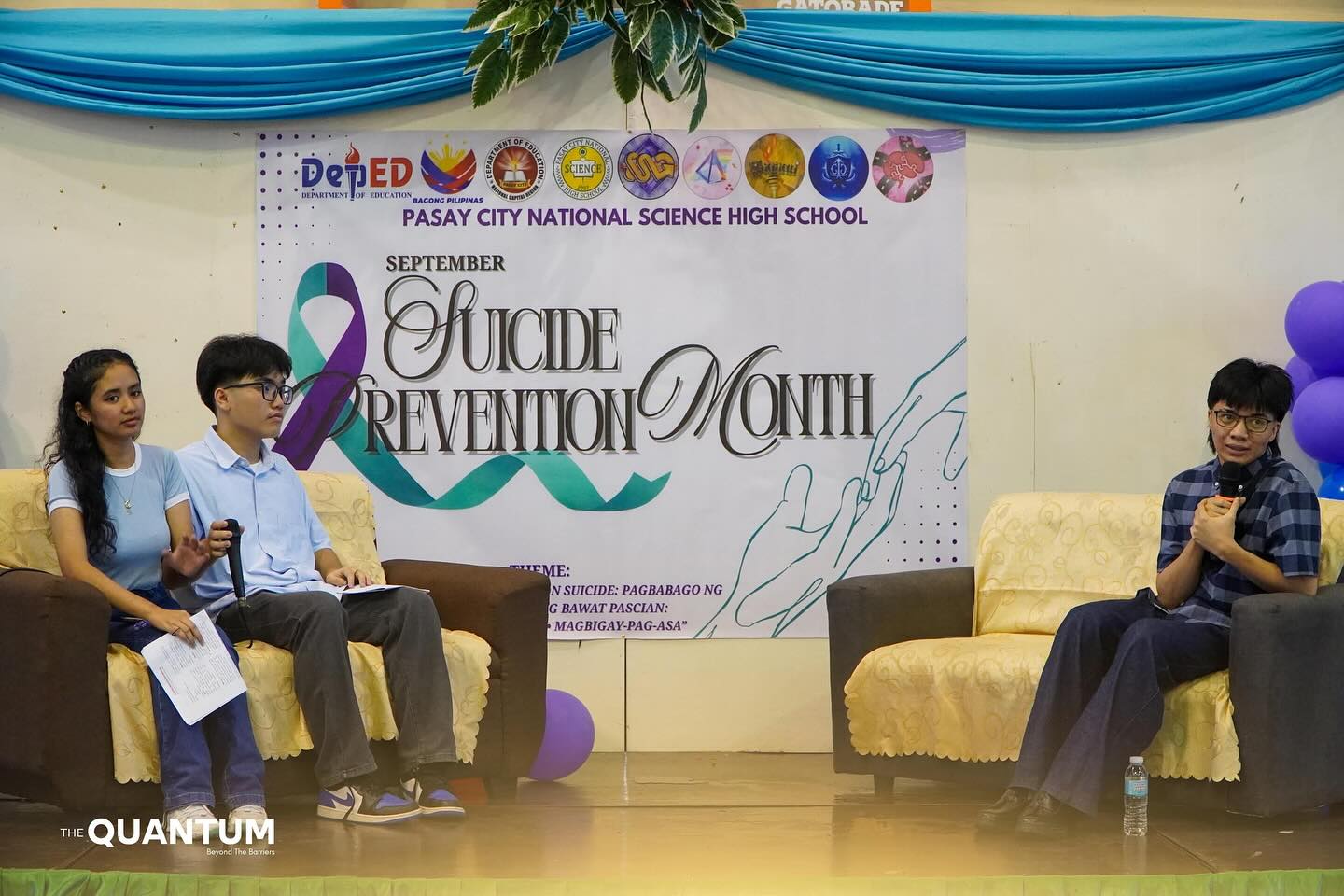
via Angelyka De Luna | The QuantumCopyedited by: Estella Talua Pasay City National Science High School recently concluded the Suicide Prevention Month with a heartfelt program, promoting the importance of reaching out last October 15, 2025 at the school’s gymnasium. Dr. Mark Anthony F. Familaran then gave his warm speech, emphasizing the importance of mental awareness. Alumni, Jonas David Celos, joined the Mental Health Advocates, Marco G. Mallorca and Ayesha Ehris A. Salazar, in “Breaking the Silence.” Discussing about the struggles that most students face. Afterwards, certificates were then given to the winners of their respective contests. The program then ended with a performance from the Grade 10 students. The Glee Club then led the community song, “With a smile” by Eraserheads. This program served as a reminder that reaching out does not mean being weak — especially when the struggles are too much. Moreover, reminding us that every voice is and must be heard in any way.

Patuloy na Lindol sa Pilipinas: Kalamidad sa Harap ng Teknolohiya at Kahandaan
| Andrei Euan C. Fegidero| Andrea Urbina Ang Pilipinas, bilang bahagi ng Pacific “Ring of Fire,” ay palaging nanganganib sa malalakas na lindol at pagyanig dahil sa aktibong tectonic setting nito. Sa kasalukuyan, nakararanas tayo ng sunod-sunod na lindol—isang serye ng malalakas na pagyanig, mga aftershock, at patuloy na paggalaw ng mga fault — na nagdudulot ng matinding hamon sa agham, disaster response, at resiliency ng mga komunidad. Ano ang nangyayari sa ngayon? Noong Oktubre 10, 2025, isang malakas na lindol na may magnitude 7.4 ang tumama sa karagatan sa silangang bahagi ng Davao Oriental, na sinundan ng isa pang lindol na may magnitude 6.7–6.8, sa loob lamang ng ilang oras. Ang dalawang ito ay tinawag na “doublet earthquake,” na maaaring magpahiwatig na ang parehong segment ng fault ay nagkaroon ng sunod-sunod na paggalaw. Maraming aftershock ang naitala — sa mahigit 1,200 na mga pagyanig, kabilang ang ilang may magnitude 4.0 pataas. Hindi ito ang unang malakas na lindol kamakailan. Bago pa man ito, noong Setyembre 30, 2025, isang magnitude 6.9 na lindol ang tumama sa karagatan sa Cebu, na nagdulot ng matinding pinsala at pagguho ng gusali. Sa Cebu pa lamang, tinatayang mahigit 12,000 aftershocks ang naitala. Sa Luzon naman, isang magnitude 4.4 na pagyanig ang narekord sa Iloilo City, na nagdulot ng inspeksyon sa mga pasilidad pang-edukasyon. Sa Davao at mga karatig-lugar, patuloy ang aftershocks at pag-alog matapos ang principal event. Iba pang tala: isang magnitude 5.8 na lindol ang tumama sa Cebu (10 km sa Southwest ng Bogo City, 5 km lalim) kamakailan lamang. At sa Luzon, isang magnitude 5.8 na pagyanig din ang naitala kamakailan. Ang mga ganitong malalakas na aftershocks ay nagpapatibay sa takot at patuloy na panganib. Bakit patuloy ang lindol? Nag-uugat ito sa komplikadong geolohiya ng Pilipinas. Maraming malalaking fault systems ang dumadaloy sa arkipelago, gaya ng Philippine Fault, ang Marikina Valley / West Valley Fault, at ang Philippine Trench sa silangan. Sa kaso ng doublet sa Davao Oriental, tumama ito sa Philippine Trench — isang subduction zone kung saan ang Philippine Sea Plate ay nagsa-subside sa ilalim ng Pilipinas. Samantala, ang West Valley Fault sa Katagalugan at Luzon ay itinuturing ding may potensyal na magdulot ng malaking pag-alog (“Big One”) sa hinaharap. Ang mga fault segment na ngayon ay “tahimik” o hindi madalas gumalaw ay dinidikta rin sa tectonic stress redistribution mula sa mas malalakas na lindol, na maaaring mag-trigger ng pagyanig. Ang sunod-sunod na lindol ay maaaring ituring na bahagi ng isang “aftershock sequence” o cascade ng seismic activity: kapag isang pangunahing fault segment ang gumalaw nang malaki, nagkakaroon ng pagbabago sa stress sa kalapit na bahagi ng lupa at fault systems, na maaaring mag-trigger ng karagdagang lindol sa ibang segment o bahagi ng fault. Mga hamon at tugon: Sa agham, malaking hamon ang pagmomodelo at forecasting ng mga sunod-sunod na lindol. Kahit may mga statistical at probabilistic techniques (aftershock forecasts, Coulomb stress modeling, seismic hazard maps), hindi pa rin sigurado ang exact timing ng pagyanig. Sa pamahalaan at mga ahensiya tulad ng PHIVOLCS at NDRRMC, mahalaga ang mabilis na pagtataya (rapid assessment), pag-alerto (tsunami warnings / evacuation), at pag-deploy ng rescue teams. Sa Davao at iba pang lugar, agaran silang naglabas ng tsunami warnings pagkatapos ng 7.4 quake. Sa Cebu, bilang tugon sa malawakang aftershocks, libu-libo ang nasuspinde nilang klase at operasyon. Para sa publiko, mahalaga ang edukasyon sa “earthquake preparedness” — alam kung paano mag-evacuate, saan pugad ligtas, at pag-check ng estruktura ng bahay lalo na sa pagpasok ng matinding aftershock. Dapat ding palakasin ang istruktura ng mga gusali (earthquake-resistant design) batay sa pinakabagong norms at code. Pagtingin sa hinaharap: Ang muling pag-aktibo ng malalaking fault zones ay hindi basta-basta nagagambala ng mabilis. Ayon sa mga eksperto, habang papalapit ang taon 2058, tataas ang posibilidad ng “Big One” sa Luzon dahil sa biglaang pagliyab ng stress sa Marikina / West Valley Fault segment. Sa kasalukuyang serye ng lindol, maaaring may implikasyon sa redistribution ng tectonic stress sa Luzon. Bagama’t hindi natin maaaring pigilan ang lindol, ang siyensya, teknolohiya, at kahandaan ng tao ang mahalagang sandata laban sa pinsala. Ang patuloy na pagsusuri ng seismic data, pag-upgrade ng mga sensor at monitoring network, at pagbuo ng mga alert systems ay kritikal sa pagharap sa katotohanan ng tuloy-tuloy na paglindol sa Pilipinas. Mga sanggunian: https://www.newsweek.com/series-of-earthquakes-strike… https://www.pna.gov.ph/articles/1260908 https://www.pna.gov.ph/photos/79473 https://www.philstar.com/…/aftershocks-rock-davao-areas https://www.rappler.com/…/bohol-earthquake-12th…/ https://newsinfo.inquirer.net/…/magnitude-4-4-quake… https://www.reuters.com/…/magnitude-72-earthquake… https://apnews.com/article/b4136101b62a313ff327737433748e27 https://www.theguardian.com/…/tsunami-warning… https://www.gmanetwork.com/…/cebu-earthquake…/story/ https://www.phivolcs.dost.gov.ph/primer-on-the-10…/ https://temblor.net/…/beware-quiet-segments-of-the…/ https://www.philstar.com/…/why-big-one-becomes-more… https://en.wikipedia.org/…/2025_Davao_Oriental_earthquakes https://en.wikipedia.org/wiki/2025_Cebu_earthquake
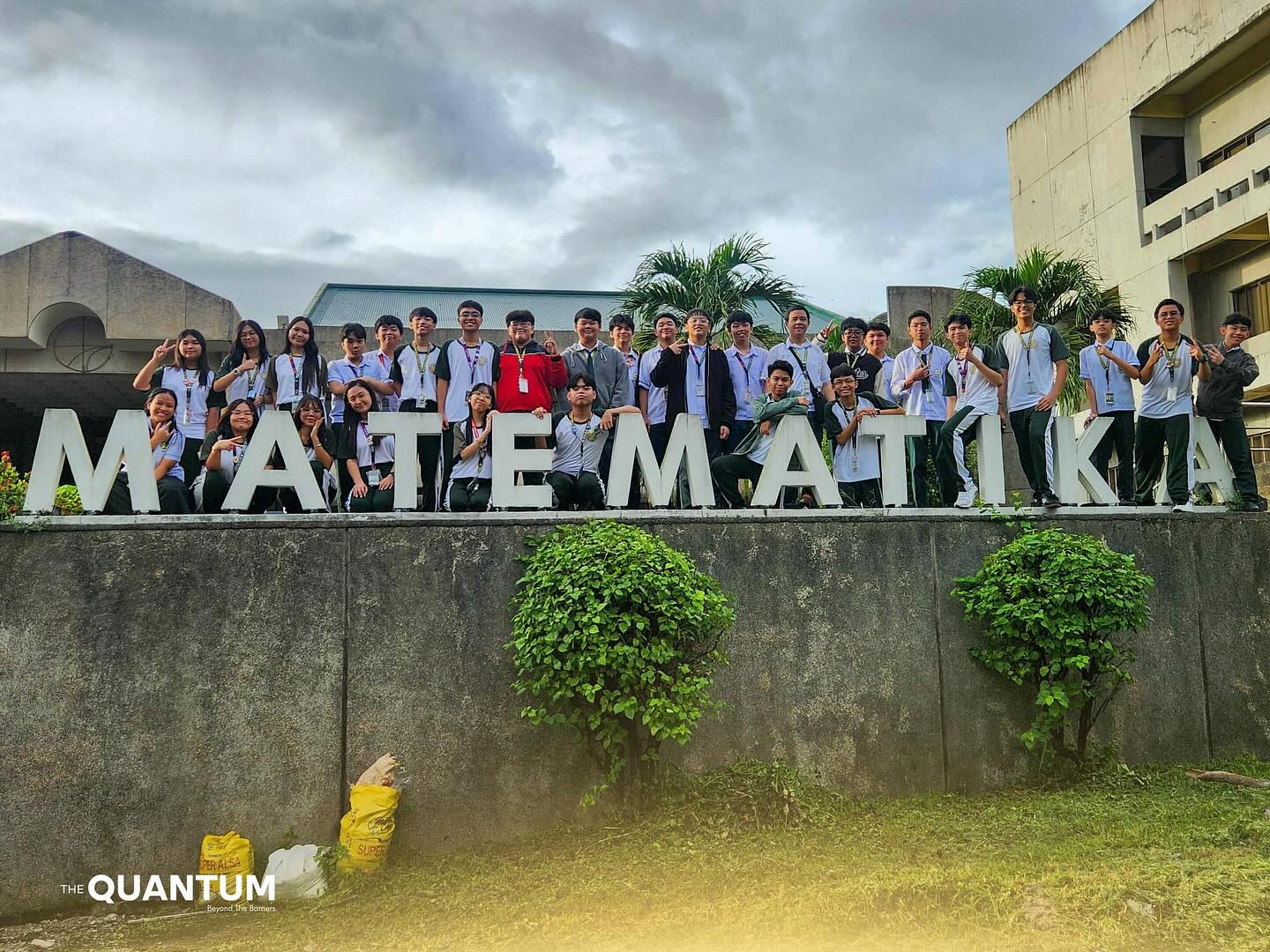
Pascians challenge 28th PMO Qualifying Stage
via Stephen Blaize Gabor | The QuantumCopyedited by: Jewel Winslet Vallejo Contestants from grades 8 to 12 of Pasay City National Science High School participated in the qualifying stage for the 28th Philippine Mathematical Olympiad (PMO) held in the University of the Philippines Diliman Institute of Mathematics last October 18. Its three-hour test featured a three-part difficulty exam consisting of multiple choice and open ended questions, corresponding to different pointing systems. The exam assessed advanced mathematical abilities in topics not limited to algebra, geometry, and number theory. Mr. Oscar Deo Dacuba held face-to-face training sessions from past PMO examinations for the contestants to prepare for this year’s qualifying stage. Shortly after the testing period, the official page of the Philippine Mathematical Olympiad disclosed an online copy of the exam, along with the answer key for the public to view. Authorities have inspected the nationwide testing sites for safety beforehand. However, schools and contestants who were unable to participate in the onsite examination could appeal for an online modality. Students who obtained a standard percentile from the qualifying round will proceed to the area stage of the competition expected on December 13, 2025. The PMO is the most prominent nationwide secondary school competition, aiming to test the improvement of mathematics education and rewarding students who excel in the subject.

PCNSciHS dominates DSTF 2025
via Jessie Potente | The QuantumCopyedited by: Christian TabadaPublication by: Yelena Fabricante With pride and unity, they continue to embody the spirit of “Laban Pasci, Para sa Agham!” Garnering a total score of 109 points, Pasay City National Science High School once again dominated the 2025 Division Science and Technology Fair, clinching the overall win for the Top Performing Secondary School during the awarding ceremony held at Pasay City South High School. Listed below are the Outstanding Participants and Recognitions: POSTER MAKING 1st Place – Carl Victoria (SHS) SCIENCE TRICKS 1st Place – Martha Clave (JHS) 2nd Place – Fhel Sumodlayon (SHS) SCI-QUIZ Grade 7 5th Place – Rolando Jr. 1st Place – Jayden Domingo Grade 8 4th Place- Lance Acosta 3rd Place – Samantha Bago Grade 9 4th Place – Jeryl Padilla 1st Place – Akishamay David Grade 10 1st Place – Rhian Franco Grade 11 3rd Place – Joebbie Gaugano 1st Place – Prince Manela Grade 12 1st Place – Rafael Villon ROBOTICS 2nd Place, Team Smiley (JHS) – Reign Bacarro, Peter Bien, Christian Tabada 1st Place, Team Jacket (JHS) – Mc Sylvin Famis, Eisen Vicente, Alzen Cruz 2nd Place – Team Liwanag (SHS) – Gabriel Samulde, Gabriel Veridiano, Zuriel Vicedo, Aniceto Baluso 1st Place – Team Quantum (SHS) – Marco Mallorca, Stacie Catallo, Neil Icaro RESEARCH FESTIVAL Life Science Individual Category 2nd Place, LS_Anonas – Giovhana Aladen 1st Place, LS_Banuyo – Christine Fernandez Life Science Team Category 4th Place, LS_Lima-Lima – Rhiane Lao, Maria Muega, Estella Talua 3rd Place, LS_Tsaang-Gubat – Stephen Gabor, Ron Santiago, Jasmine Ayaton 2nd Place, LS_Baging-Baging – Raven Antonio, Kristel Floralde, Chainne Guevarra 1st Place, LS_Lanzones – Rolando Teves, David Flores, Khirstin Baraan Physical Science Individual Category 5th Place, PS_Banano-Coat – Zacharie Macalalad 4th Place, PS_Astaxanthin – Jamelle Ronquillo 1st Place, PS_Cogon – Gillian Viterbo Physical Science Team Category 4th Place, PS_Pandan-Co – Danella De Vera, Chloe Villaruel, Maria Tuquero 3rd Place, PS_Green-ZnO – Julie Gatmin, Adrian Banaag, Christophe Medina Robotics and Intelligent Machines Team Category 3rd Place, RIM_C.A.R.A – Nikita Parina, Aljhur Danganan, Marthiena Atienza 2nd Place, RIM_Signo – Devika Magdaraog, Santine Susa, Kaeley Dio 1st Place, RIM_FloodNav – Steven Caibigan, Gian Sumalde, Leurlee Sicat Science Innovation Expo Individual Category 5th Place, SIE_Lifeline – Reiana Belchez 1st Place, SIE_EvacuAid – Cassandra Fallena Mathematics and Computational Sciences Team Category 2nd Place, MCS_Ann – Yelena Fabricante, Kyla Santos Pasay City West High School and Pasay City South High School followed as the second and third top-performing schools, with total scores of 80 and 63 points, respectively.
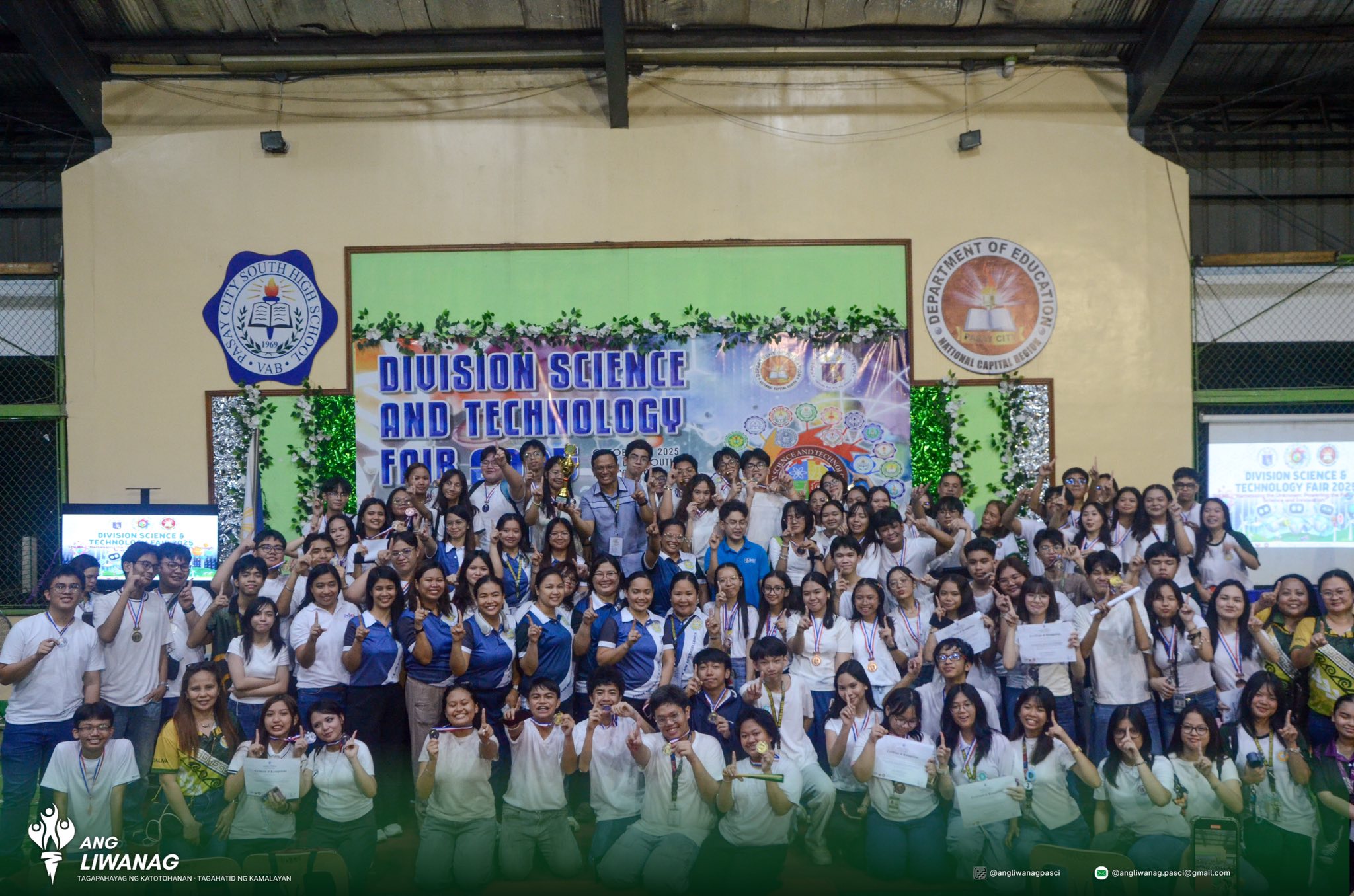
PaScians, Wagi sa 2025 Division Science and Technology Fair
| Ayesha Ehris Salazar| Dexter Ogale, Gabrielle Ayesha Nicolas, Aliyah Lopez Itinanghal na Overall Best Performing School ang Pasay City National Science High School (PCNSciHS) sa 2025 Division Science and Technology Fair na ginanap noong Oktubre 16, 2025 sa Pasay City South High School na may temang “Harnessing the Unknown: Powering the Future Through Science and Innovation.” Nagpakitang-gilas ang mga mag-aaral ng PCNSciHS sa iba’t ibang kompetisyon tulad ng Sci-Quiz, Poster Making, Science Tricks, Science Warriors, Research Festival, at Robotics Competition, na nagresulta sa kabuuang 109 puntos at pagkapanalo bilang Best Performing School. Nasungkit naman ng Pasay City West High School ang 1st Runner Up na may 80 puntos, habang Pasay City South High School naman ang 2nd Runner Up na may 63 puntos. Dinaluhan ang patimpalak ng mga mag-aaral mula sa elementarya at sekondarya ng Dibisyon ng Pasay kasama ang kanilang mga magulang, guro, at punongguro. Dumalo rin sa nasabing programa ang mga opisyal ng DepEd Pasay, dating Konsehal Joey Calixto Isidro, at Kongresista Antonino Calixto bilang suporta sa mga kalahok at sa layuning paunlarin ang agham at teknolohiya sa lungsod.

The Clock Beneath Our Feet
by: Santine Mauritius SusaCopyedited by: Joebbie GauganoPublication by: Rianne Lopez and Yelena Fabricate The earth does not roar without a reason. Last week, a series of powerful tremors off Davao Oriental jolted the Philippines awake—literally and figuratively. Within hours, twin major quakes struck the same offshore zone along the Philippine Trench, shaking cities from Mindanao to Visayas. Tsunami alerts blared and spilled into neighboring nations, aftershocks rippled through the region, and a nation accustomed to shaking was once again reminded of its uneasy balance on the Pacific’s fiery edge. Scientists call this a “doublet earthquake,” —two major quakes that strike close together in both space and time. Instead of a single rupture and a slow fade of aftershocks, a doublet signals that one fault’s slip may have triggered another nearby. The Philippine Sea Plate, constantly diving beneath the archipelago, carries immense tectonic pressure. When one portion breaks, stress shifts to its neighbors, sometimes setting off a rapid cascade. That’s why this recent cluster of quakes—from Cebu in September to Davao in October—had scientists pay attention. Clustering doesn’t mean the ground is “angry,” but it does reflect how interconnected the Philippines’ faults truly are. Earthquakes rarely occur in isolation. When one section of a fault releases energy, nearby areas may suddenly be closer to their breaking point. In a country crisscrossed by multiple faults, this domino effect can stretch over weeks or months. The Davao doublet is one example: a large quake may be followed not just by aftershocks but by related quakes within the same tectonic system. Similar clustering has been recorded in Japan, Chile, and Indonesia. In 2011, Japan’s devastating Tōhoku earthquake was followed by dozens of strong shocks along adjacent faults over the next year. In Chile, a 2010 quake triggered several magnitude 6+ tremors within months as stress redistributed along the South American subduction zone. These examples show that once one part of the earth’s crust gives way, others nearby can quickly follow. Could such a cluster happen in Manila? Experts say yes, though in a different form. The capital sits atop the Valley Fault System, a network running beneath Quezon City, Marikina, Pasig, and Taguig. Unlike deep-sea quakes, this fault can trigger shallow, violent shaking that threatens dense urban areas. A magnitude 7.2 rupture along the West Valley Fault, which the Philippine Institute of Volcanology and Seismology (PHIVOLCS) has long warned about, could cause widespread damage—collapsing older buildings, splitting roads, and knocking out power and water lines across the metro. In this kind of inland cluster, one strong event could be followed by several smaller quakes in nearby fault segments, prolonging damage and panic. Off the western coast also lies the Manila Trench—a deep subduction zone capable of generating powerful offshore quakes above magnitude 8 and large tsunamis. Scientists note that while it is less active than the Philippine Trench, its potential impact is far greater because it faces the highly populated coasts of Luzon. A major slip along the trench could send tsunami waves toward coastal towns in Zambales, Bataan, and even the Manila Bay area within minutes. In a worst-case scenario, residents might only have 15 to 30 minutes to move to higher ground. Historical records suggest that events like this may have occurred centuries ago, their traces buried in old coastal sediments now being studied by geologists. Science provides warning, but preparedness ensures survival. Strengthening monitoring systems, enforcing building codes, and conducting regular drills remains as the country’s best defense. Earthquake-resistant design should be seen not as a cost but as a safeguard. Public awareness, meanwhile, turns panic into reflex—knowing where to go and what to do the moment the ground moves can save lives. The Philippines cannot escape its geography, but it can adapt to it. Clusters like those in Mindanao remind us that the ground beneath our feet is alive constantly adjusting and constantly storing energy. In a country built on moving earth, preparedness is not paranoia—it is progress. The tremors may fade, but the lesson endures: the next cluster may strike anywhere, even beneath the capital. It is not a matter of if, but when.

GSP, Ipinagdiwang ang Ika-85 Anibersaryo sa “Long Green Line”
| Ghea Nadera| Vic Molina Ipinagdiwang ng Girl Scouts of the Philippines (GSP) ang ika-85 anibersaryo nito kasabay ng Girl Scout Week 2025 sa pamamagitan ng isang makabuluhang pagtitipon na tinawag na “Long Green Line” na ginanap sa Quirino Grandstand, Rizal Park, Maynila nitong ika-12 ng Oktubre ng 2025, mula 8:00 ng umaga hanggang 12:00 ng tanghali. Dumalo sa nasabing aktibidad sina Scout Vic Princess Molina, Scout Camille Samarita, Scout Darleene Anaviso, Scout Sabrina Resoles, Scout Danelle Bueno, at Scout Francesca Vidal, kasama ang kanilang mga troop leader na sina Gng. Jomarie D. Hachazo at Gng. Ruwena Cascayan. Layunin ng kaganapang ito na ipakita ang patuloy na pamana ng kilusan sa paghubog ng mga kabataang babae tungo sa pagiging matatag, may malasakit, at may kakayahang mamuno na may temang “Once a Girl Scout, Always a Girl Scout”. Itinampok dito ang Long Green Line, isang makasaysayang pormasyon ng mga Girl Scout na sumisimbolo sa pagpapatuloy, lakas, at diwa ng pagkakaisa ng kilusan sa paglipas ng panahon. Inihanda upang ipakita ang pagkamalikhain, pagkakaisa, at katapatan ng mga Girl Scouts sa kanilang Girl Scout Promise at Law ang iba’t ibang booths, pagtatanghal, at paligsahan.
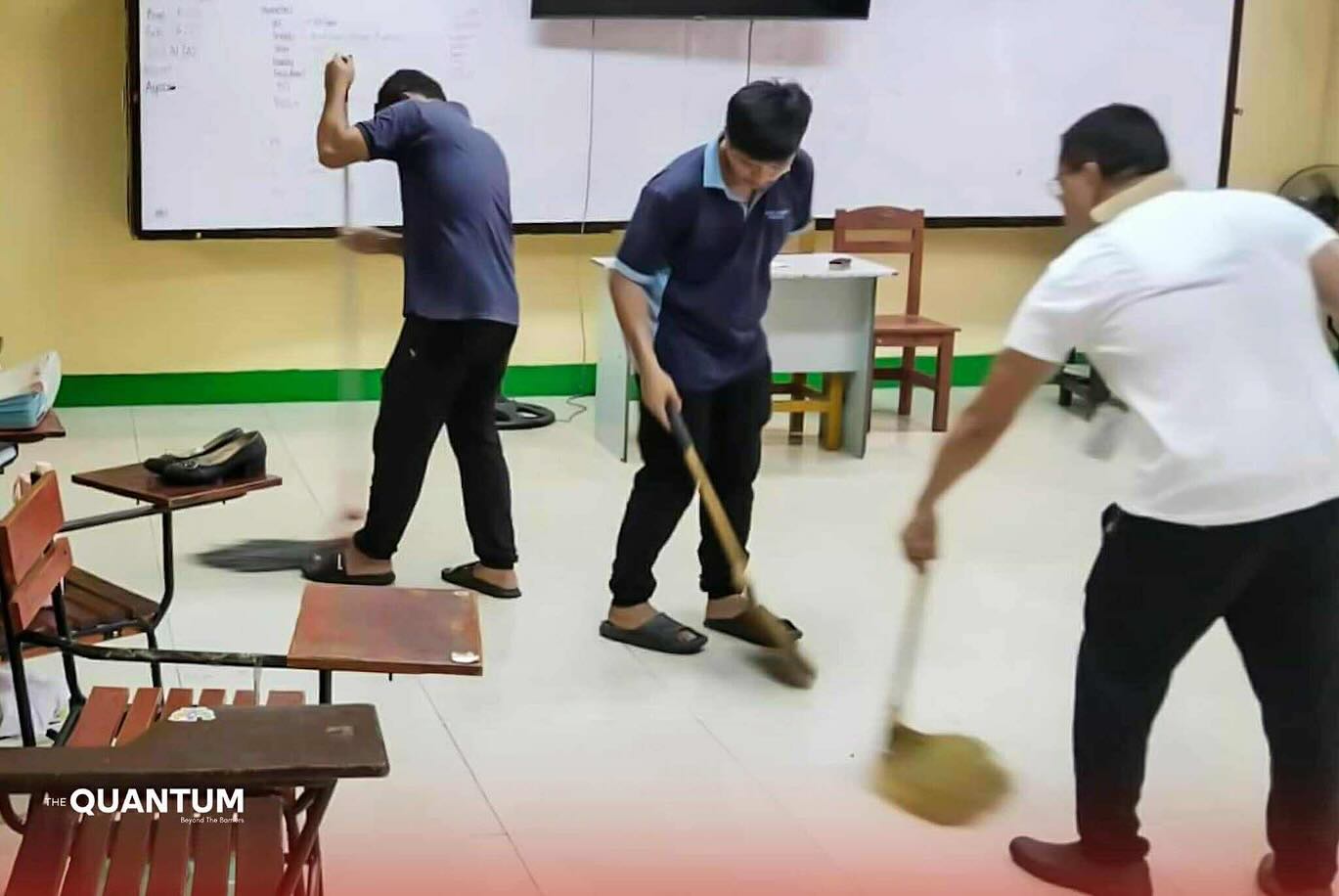
PaSci Ensures Safety Amidst Influenza Outbreak
via Elyzza Esteban | The QuantumPhotos by: Non-Teaching Personnel of PCNSciHS In line with the Health Break declared by the Department of Education–National Capital Region (DepEd-NCR) for October 13–14, Pasay City National Science High School has conducted a comprehensive cleaning and sanitation of classrooms as part of its precautionary measures against the ongoing influenza outbreak. The Health Break, announced by Dr. Jocelyn D.R. Andaya, aims to address health and safety concerns brought about by the spread of influenza and the recent series of earthquakes. This initiative seeks to ensure both the cleanliness of learning spaces and the structural integrity of school facilities, prioritizing the well-being and safety of students and staff.
PaScians, tagumpay sa Australian Math Competition
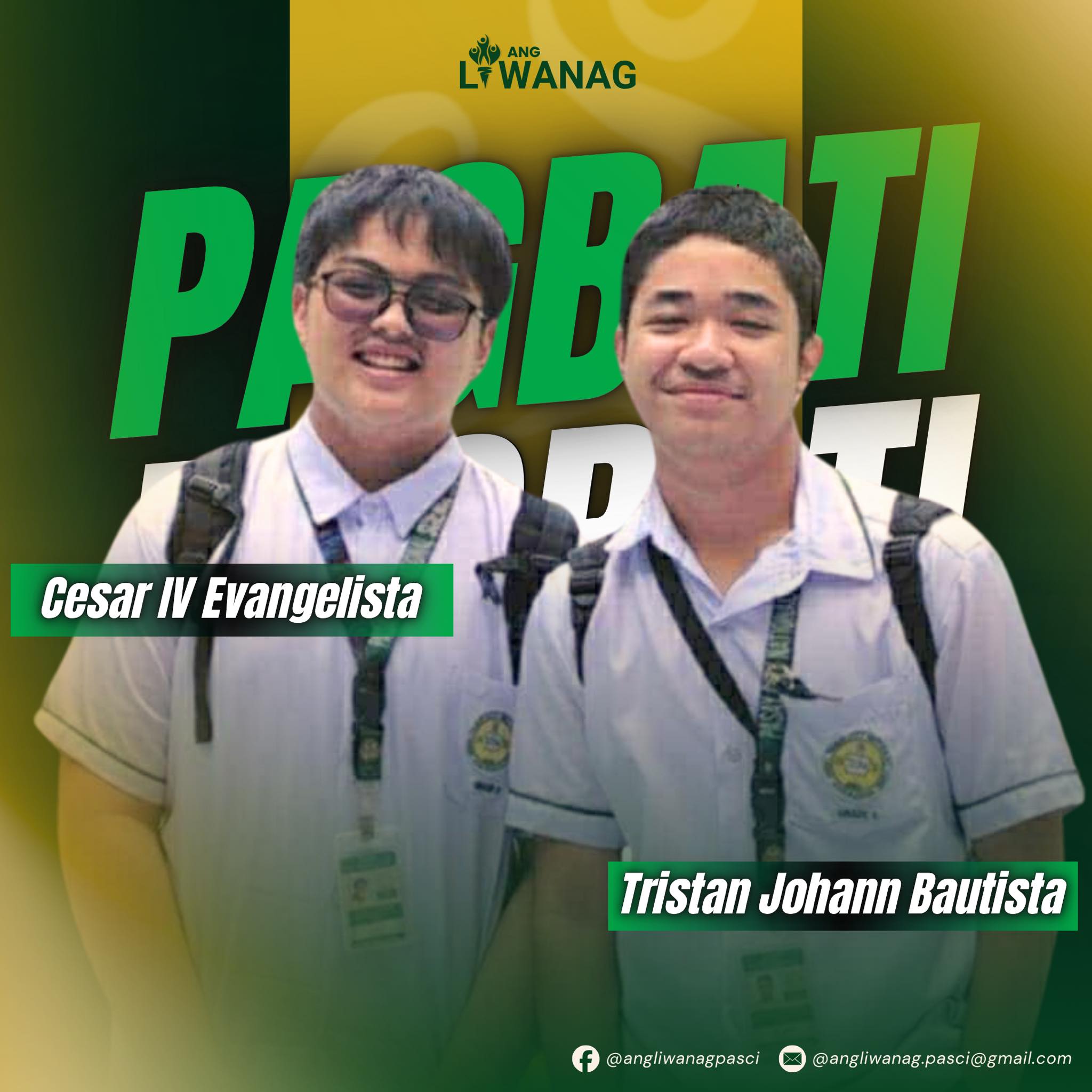
Isinulat ni: Jane Ashley TuazonLitrato ikinuha ni: Ashley Ballesteros Inilabas ang resulta nitong Oktubre 7, 2025 ng mahigit isang libong estudyanteng Pilipino, kabilang ang mga mag-aaral ng Pasay City National Science High School na nagkamit ng iba’t ibang karangalan sa 2025 Australian Mathematics Competition na ginanap onsite nitong Agosto 9, 2025. Kabilang ang mga PaScians na sina Tristan Johann Bautista at Cesar IV Evangelista ng ika-9 na Baitang sa nagtamo ng Proficiency Awards sa paligsahang ito. Ipinapakita ng pagkilalang ito na naabot nila ang pamantayan ng Australia sa pagsusuri ng kasanayan sa problem solving at lohikal na pag-iisip sa Matematika, at nagsisilbing patunay ng kanilang sapat na kahusayan sa asignaturang ito. Kinikilalang isang pandaigdigang paligsahan ang Australian Mathematics Competition (AMC) na may layong sukatin ang husay ng mga estudyante sa problem-solving at lohikal na pag-iisip. Naipamalas sa taong ito, ng maraming kabataang Pilipino ang kanilang kakayahan sa international level sa tulong ng virtual na plataporma. Nagtagumpay ang mga mag-aaral sa tulong ng kanilang gurong tagapagsanay na si G. Oscar Deo L. Dacuba.

PaScians, tagumpay sa Australian Math Competition
| Jane Ashley Tuazon| Ashley Ballesteros Inilabas ang resulta nitong Oktubre 7, 2025 ng mahigit isang libong estudyanteng Pilipino, kabilang ang mga mag-aaral ng Pasay City National Science High School na nagkamit ng iba’t ibang karangalan sa 2025 Australian Mathematics Competition na ginanap onsite nitong Agosto 9, 2025. Kabilang ang mga PaScians na sina Tristan Johann Bautista at Cesar IV Evangelista ng ika-9 na Baitang sa nagtamo ng Proficiency Awards sa paligsahang ito. Ipinapakita ng pagkilalang ito na naabot nila ang pamantayan ng Australia sa pagsusuri ng kasanayan sa problem solving at lohikal na pag-iisip sa Matematika, at nagsisilbing patunay ng kanilang sapat na kahusayan sa asignaturang ito. Kinikilalang isang pandaigdigang paligsahan ang Australian Mathematics Competition (AMC) na may layong sukatin ang husay ng mga estudyante sa problem-solving at lohikal na pag-iisip. Naipamalas sa taong ito, ng maraming kabataang Pilipino ang kanilang kakayahan sa international level sa tulong ng virtual na plataporma. Nagtagumpay ang mga mag-aaral sa tulong ng kanilang gurong tagapagsanay na si G. Oscar Deo L. Dacuba.